Manufacturing pain points can make it harder to control costs while maintaining the throughput, quality, and delivery expectations customers require. As manufacturers manage rising labor costs, material expenses, downtime, bottlenecks, and changing production needs, even small inefficiencies can create pressure across the entire operation. Identifying these challenges is the first step toward improving performance without overcomplicating the line. By understanding where time, labor, product, or capacity is being lost, manufacturers can make targeted improvements that reduce inefficiencies, support productivity, and help operations stay competitive.
What Are the Most Common Manufacturing Pain Points?
Manufacturing pain points are recurring operational challenges that increase costs, slow production, reduce flexibility, or strain labor. From workforce limitations to inefficient processes, these issues can affect output, margins, and a manufacturer’s ability to keep up with demand.
Rising Manufacturing Costs and Margin Pressure
Rising manufacturing costs are often the result of several issues adding up across the operation. Material, labor, energy, and maintenance costs can increase quickly, leaving manufacturers with tighter margins and less room for inefficiency. Downtime adds to that pressure because many operating costs continue even when product is not moving.
Production Bottlenecks That Limit Manufacturing Productivity
Production bottlenecks often stem from inefficient or inconsistent processes. Manual handling, uneven product flow, slow changeovers, limited accumulation, and equipment that cannot keep pace with upstream or downstream operations can all reduce productivity. Even small delays can have a larger impact when they occur repeatedly throughout a shift.
Labor Shortages in Manufacturing and Workforce Strain
Manufacturing productivity is closely tied to labor availability and workforce demands. Labor shortages, repetitive tasks, ergonomic concerns, and training requirements can make it difficult to maintain consistent output. In these situations, automation can support workers by reducing repetitive manual tasks and helping labor be used more effectively.
Equipment Downtime and Maintenance Challenges
Unplanned equipment downtime can result from aging equipment, limited maintenance access, poor line integration, or a lack of system visibility. When equipment stops unexpectedly, it can affect production schedules, labor allocation, and customer commitments. These interruptions can also create added pressure on maintenance teams and downstream processes.
Inefficient Packaging and End-of-Line Processes
Inefficient packaging and end-of-line processes can be another source of downtime and lost productivity. Packaging, case handling, palletizing, and container handling areas can interrupt production when equipment cannot keep pace with the rest of the line or accommodate changes efficiently.
Changeover Delays and Lack of Manufacturing Flexibility
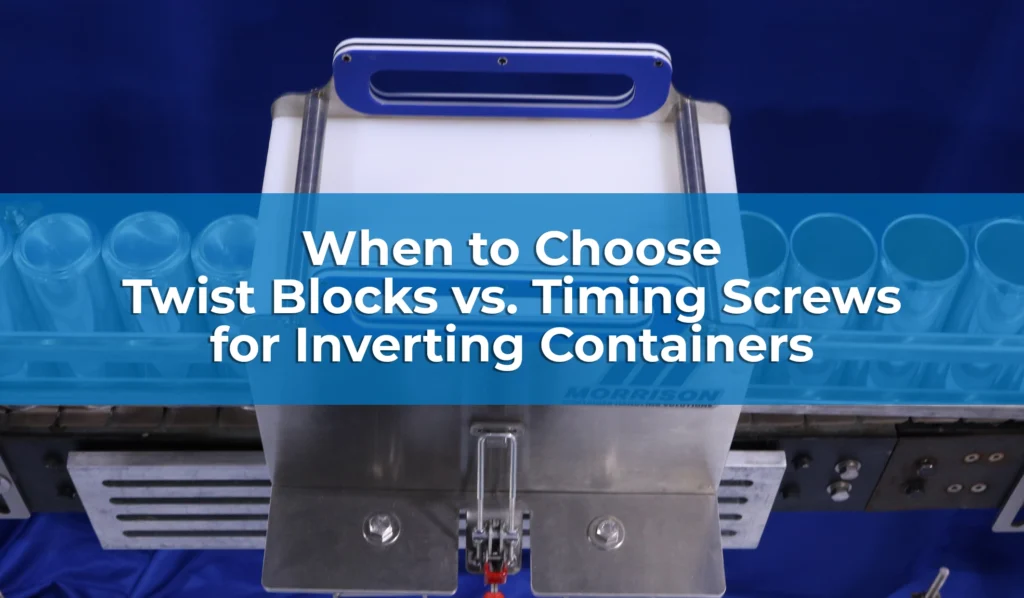
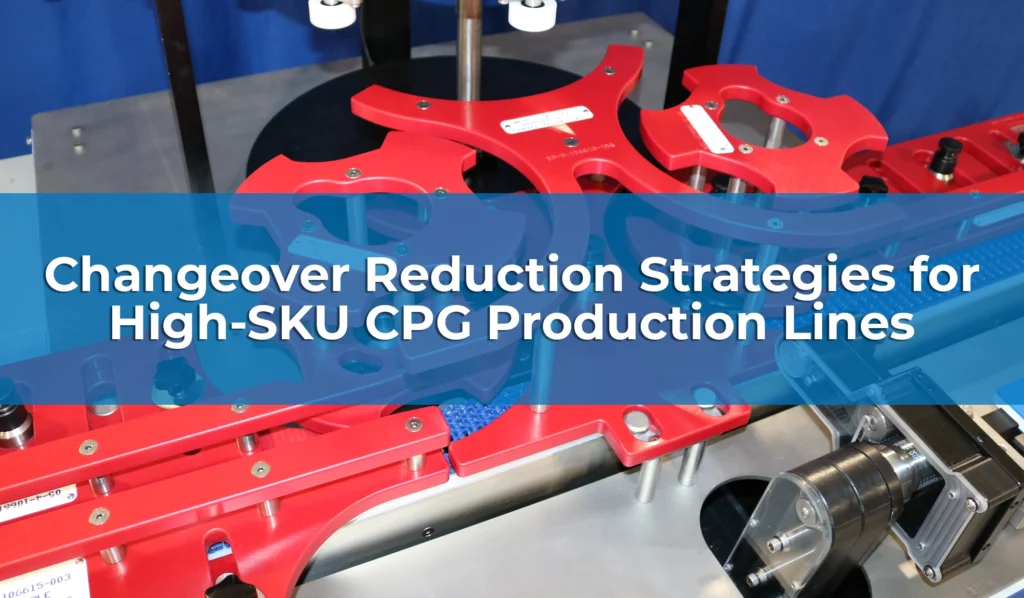
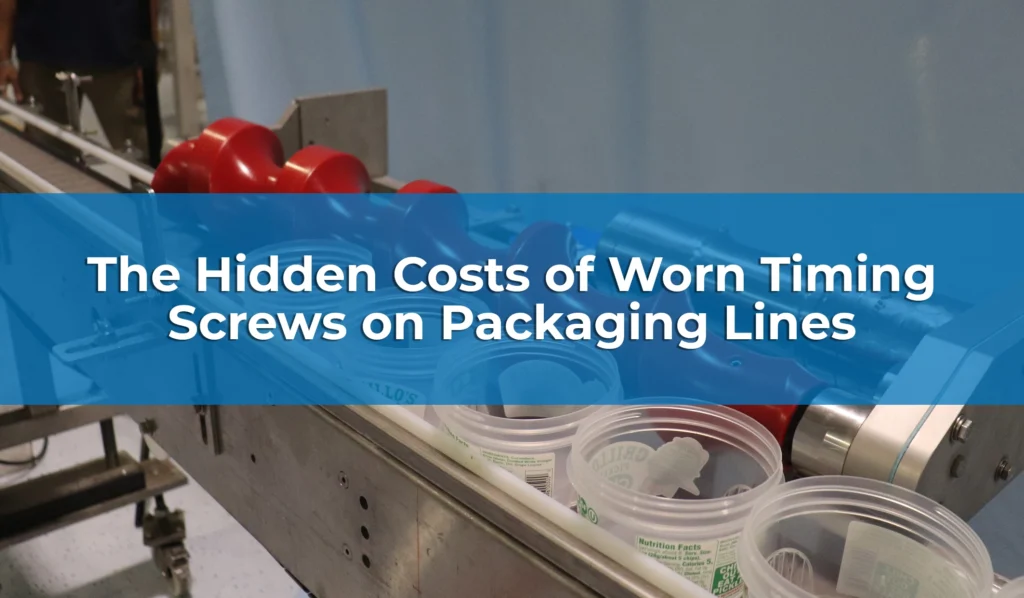
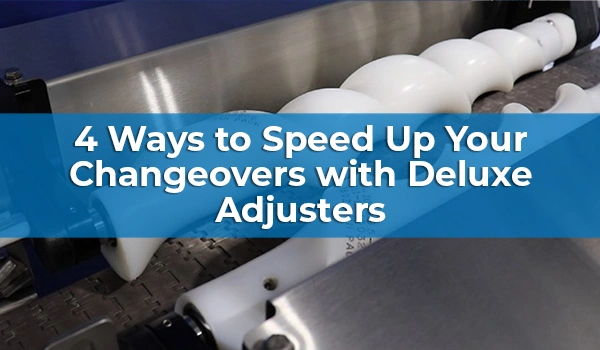
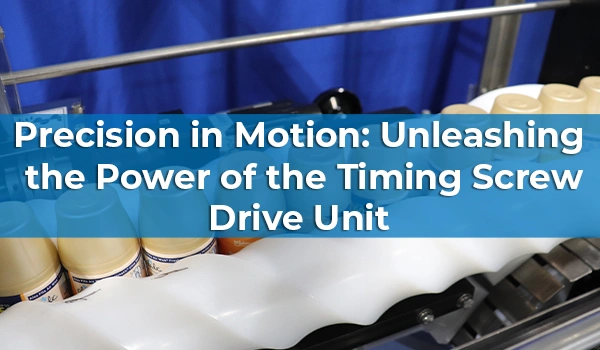
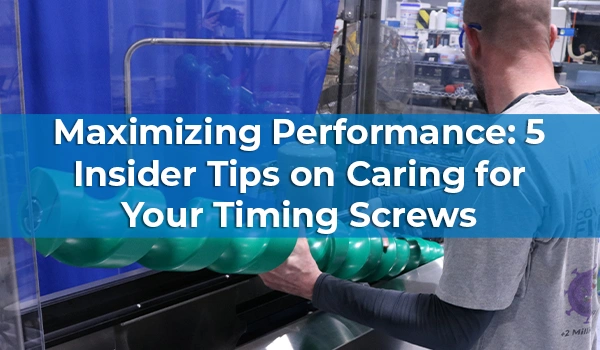
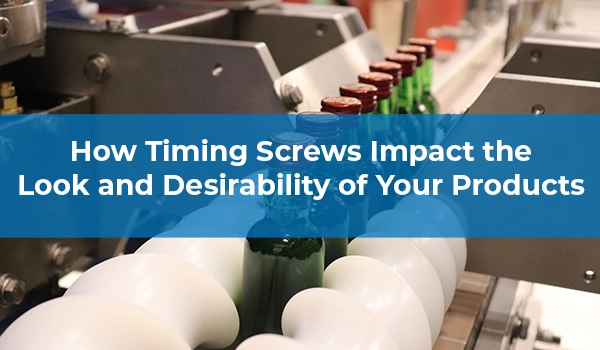
Changeover delays can add to downtime, especially when equipment is not designed for quick adjustment or format changes. As SKU variety, packaging formats, and container sizes change, production may need to stop while guides, timing screws, and other components are adjusted or switched out.
Quality Issues, Rework, and Product Waste
Quality issues can also stem from inconsistent handling, poor line control, unstable transfers, and manual processes. These challenges can contribute to damaged product, mispacks, rejected loads, rework, or unnecessary waste.
How Manufacturing Automation Solutions Can Help Reduce Costs
Manufacturing automation can help reduce costs by improving consistency, throughput, labor allocation, safety, and overall equipment performance. Rather than relying on manual processes that vary by operator or shift, automated equipment creates more predictable product movement throughout the production line.
Improve Product Consistency
Automated equipment provides repeatable product handling, spacing, orientation, and positioning. This consistency can help reduce downstream disruptions such as mispacks, labeling errors, product damage, and other issues that increase operating costs over time.
Increase Throughput and Reduce Bottlenecks
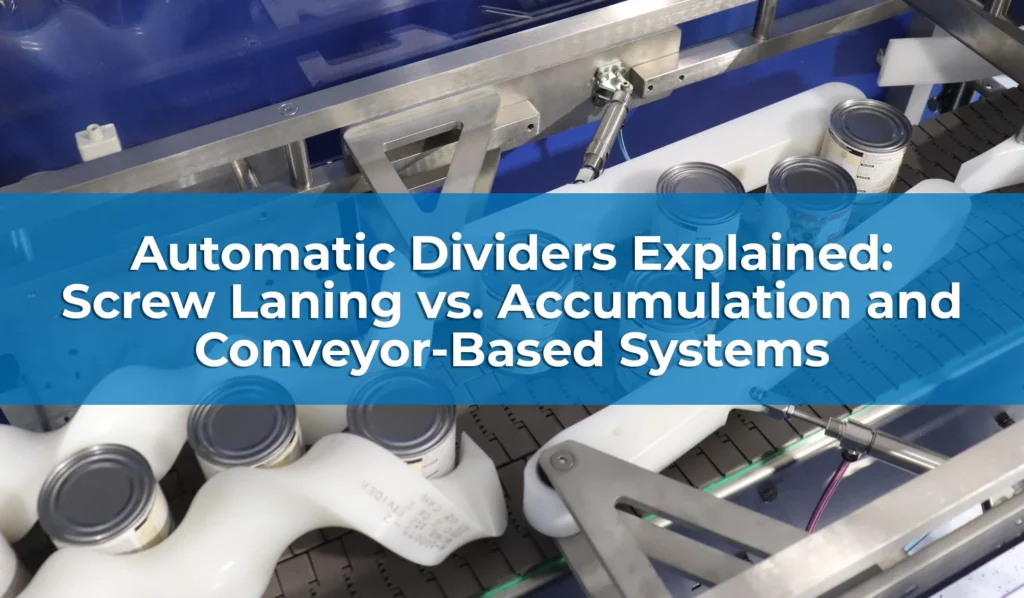
Automation helps products move more consistently through production, packaging, and end-of-line operations. When product flow is uneven, slowdowns, backups, and idle equipment can reduce overall efficiency.
By improving product flow between machines, manufacturers can make better use of existing labor, equipment, and production time while reducing bottlenecks throughout the line.
Reduce Costs with Targeted Improvements
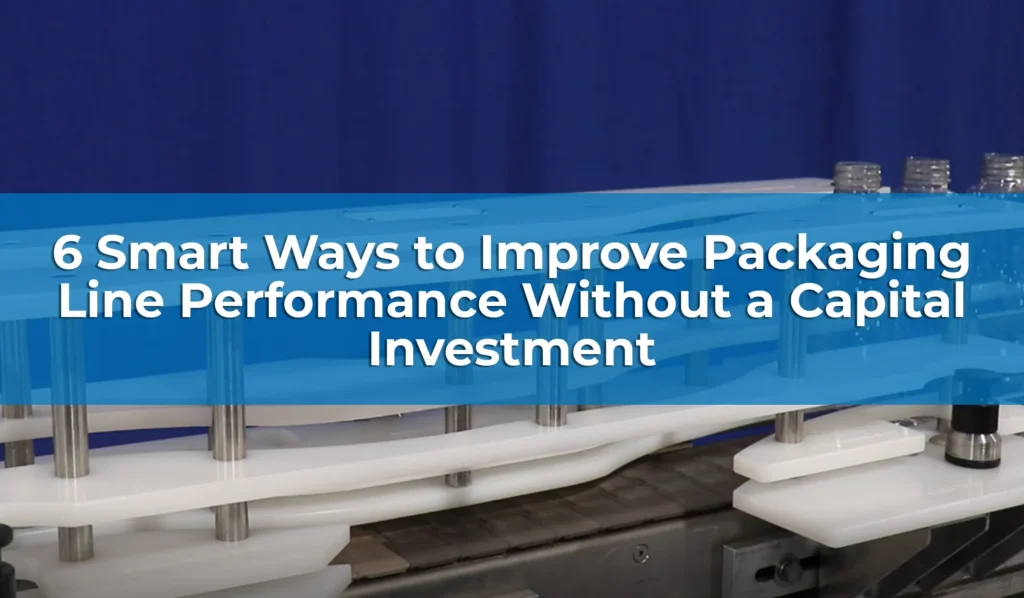
Lower manufacturing costs do not always require a complete line overhaul. Small, targeted automation projects can often address the root causes of lost productivity and unnecessary expense.
Examples include:
- Automating container movement
- Reducing manual loading and unloading
- Improving changeover speed
- Reducing ergonomic strain on operators
When applied to the right area of the line, these improvements can provide measurable operational value.
Make Better Use of Available Labor
Automation allows operators to spend less time performing repetitive manual tasks and more time supporting higher-value activities such as:
- Monitoring production
- Performing quality checks
- Troubleshooting equipment
- Preventive maintenance
This can be especially valuable when staffing is limited or employee turnover is high.
Reduce Downtime
Manual handling errors, inconsistent loading, product jams, and unstable product flow can all contribute to unplanned downtime.
By creating more controlled product movement and improving process consistency, automation can reduce interruptions that affect production schedules, labor utilization, and overall output.
Improving Manufacturing Efficiency Without Overcomplicating the Line
Improving manufacturing efficiency does not always require a complex automation project or a complete equipment overhaul. Manufacturers often achieve better results by identifying the specific areas of the line that are increasing costs, slowing productivity, or placing unnecessary demands on operators, then applying the right level of automation to address those challenges.
Start with a Line Audit
Before selecting new equipment, it is important to understand where inefficiencies originate. A line audit can identify where product slows, stops, backs up, or becomes unstable; which processes require the most manual attention; where downtime occurs most frequently; and which tasks create the greatest ergonomic strain. Because the most visible problem is not always the root cause, evaluating the entire process can help prioritize improvements with the greatest operational impact.
Choose the Right-Sized Solution
Not every application requires full automation. Right-sized automation means selecting equipment that aligns with production goals while matching production volume, labor requirements, available floor space, and budget. Depending on the application, the best solution may be fully automated equipment, semi-automated equipment, a targeted upgrade, or a single improvement at a critical point in the line.
Consider a Phased Approach
When budgets are limited or production schedules cannot accommodate a prolonged shutdown, phased upgrades allow manufacturers to improve efficiency over time. By focusing first on the highest-impact opportunities, companies can reduce costs and improve performance without disrupting the entire operation at once.
Design Equipment for the Application
Automation is most effective when it is designed around the actual manufacturing process. Container size, shape, weight, stability, line speed, changeover frequency, production volume, and existing equipment layout all influence how equipment should be designed and integrated. Properly matched equipment can reduce unnecessary adjustments, awkward product transfers, operator workarounds, and downtime caused by poor fit.
Ultimately, improving efficiency is about solving the right problems rather than adding unnecessary complexity. The most effective automation strategy is one that fits the application, supports the workforce, and delivers reliable, long-term improvements in productivity.
Choosing the Right Partner to Solve Manufacturing Pain Points
Choosing the right automation or equipment partner is essential and can be just as important as the equipment itself. Efficiency problems are rarely solved by simply adding a new piece of equipment to the line. A full understanding of the application, pain points, and production goals is needed to develop a solution that fits the operation.
Manufacturers should look for an automation or equipment partner with:
- Application experience to understand how products, containers, and equipment interact on the line
- Custom engineering capabilities to design equipment around the manufacturer’s actual process
- Service and support to help with installation, training, troubleshooting, maintenance, and long-term equipment performance
- Controls knowledge to support proper integration, line communication, diagnostics, and system visibility
- A clear understanding of production goals so the solution addresses the right challenges instead of adding unnecessary complexity
Lower Costs Start with Solving the Right Pain Points
Keeping costs low and productivity high starts with understanding where inefficiencies are happening. When manufacturers identify the areas where time, labor, product, or capacity are being lost, they can focus on improvements that address the root cause instead of adding unnecessary complexity. Targeted automation improvements can help reduce downtime, improve flow, support labor, and make better use of existing resources.
Ready to solve your manufacturing pain points?
Contact Morrison to evaluate your current production challenges and find automation solutions designed around your operation.