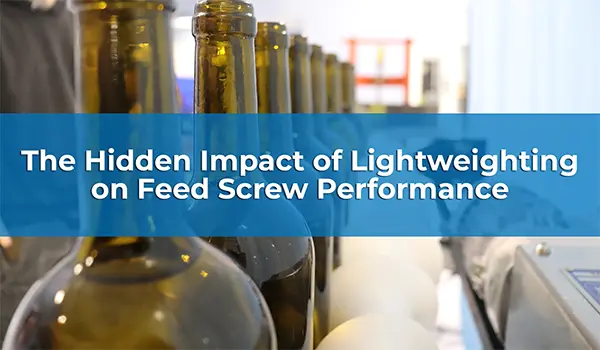
Lightweight containers have changed more than just sustainability—they’ve introduced a new layer of complexity across packaging lines. And for OEMs, that complexity doesn’t stay upstream.
It shows up in machine performance.
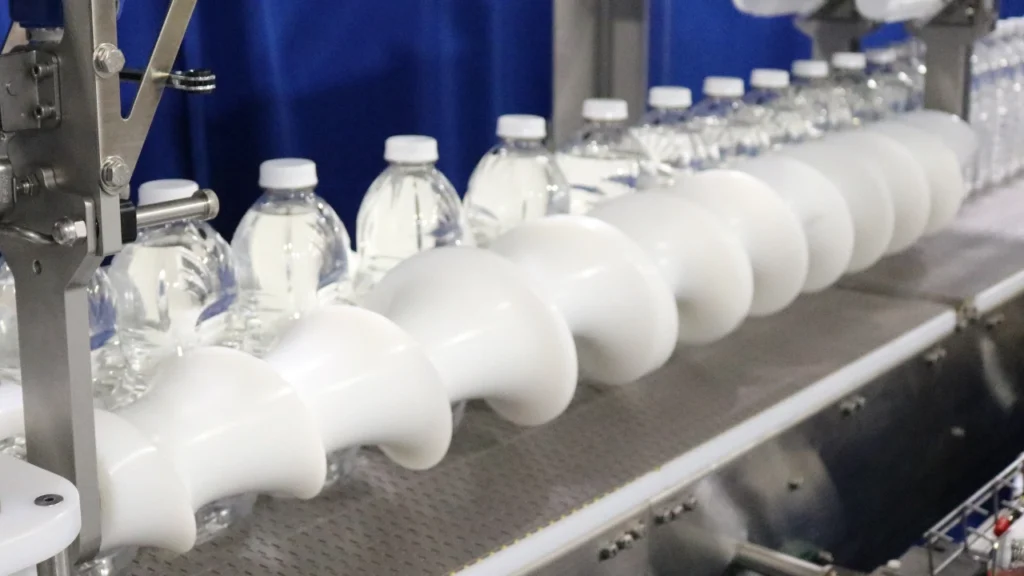
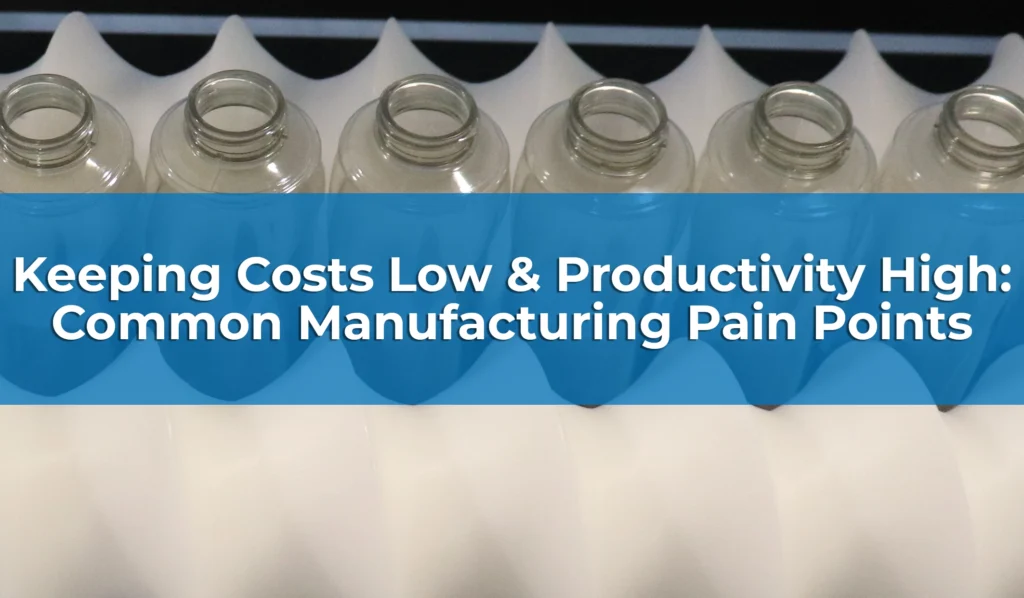
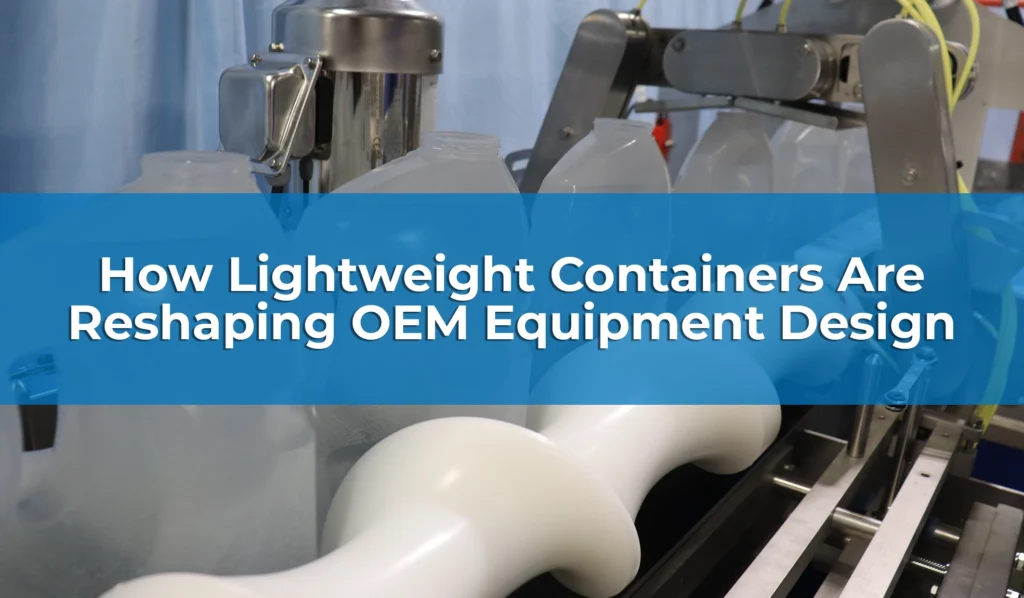
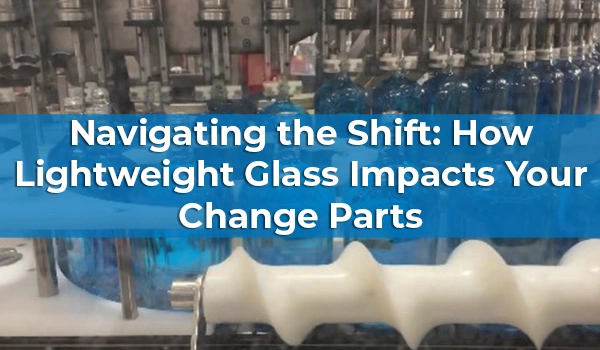
As containers become thinner, they no longer move through the line as predictably as they once did. Lightweight containers are more prone to tipping, flexing, and shifting, especially at higher speeds or during transitions between machines. What used to be stable and predictable now requires more control.
A container that flexes under pressure can misalign at the filler, while a slight tip can throw off timing at inspection. As movement becomes less consistent, jams, slowdowns, and inefficiencies follow—yet these issues are rarely traced back to the container itself, and are often attributed to the machine.
Where the Challenge Begins
OEMs are expected to deliver consistent performance, regardless of the product on the line. But lightweight containers introduce variability that machines alone weren’t designed to handle.
Equipment can struggle with inconsistent container flow, leading to misfeeds, timing issues, and increased troubleshooting—often resulting in more service calls and added pressure on your team to resolve issues that didn’t originate within your system.
Morrison partners with OEMs to bring stability back into the system by focusing on container handling at the source. Through consistent spacing, controlled motion, and reliable orientation, we help create a predictable flow of containers that supports machine performance instead of disrupting it.
With that level of control in place, equipment operates within its intended parameters, transitions between stations become more consistent, and issues are easier to identify and resolve.
Engineering for Real-World Performance
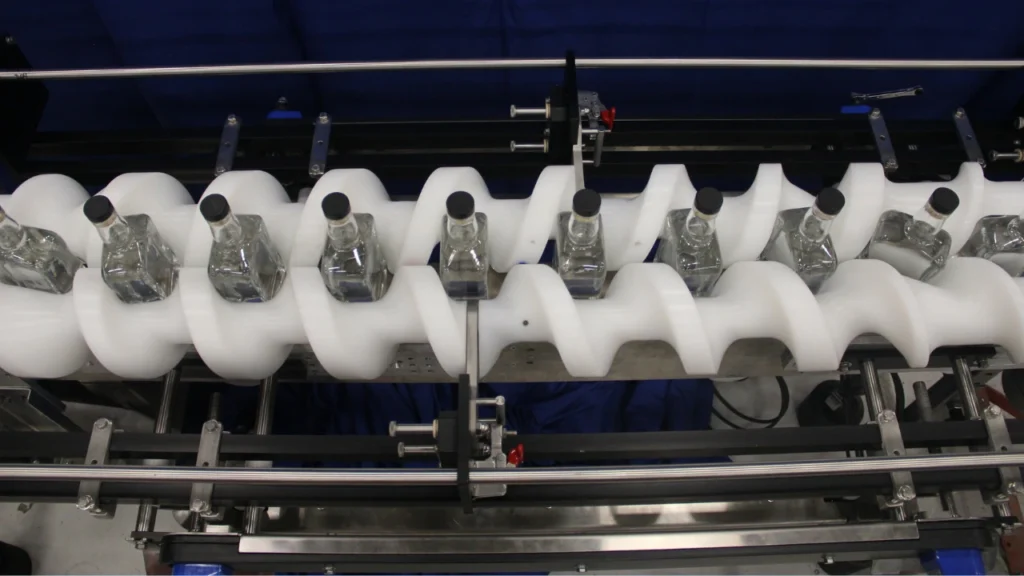
When lightweight containers are properly controlled, the impact carries across the entire line. Equipment runs more consistently, downtime is reduced, and troubleshooting becomes more straightforward. Most importantly, your customers see the performance they expected from your machine.
As packaging continues to evolve, OEM success will depend on more than machine design alone—it will depend on how well systems adapt to the realities of the products moving through them.
By stabilizing container flow at the source, we help OEMs reduce variability, protect machine performance, and deliver systems that perform reliably in the field.
Because when container handling is engineered into the system your system is able to run as efficient as possible.
Contact us today to get started on improving your container handling performance.