A successful automation solution at one manufacturing facility can create opportunities to improve operations across additional lines or locations. The challenge is determining how to apply what worked while accounting for the requirements of each new application.
Scaling custom industrial automation does not mean installing identical equipment at every facility. By standardizing proven elements while allowing for differences in layouts, equipment, containers, and production requirements, manufacturers can turn a successful solution into a repeatable automation strategy.
Start With a Proven Manufacturing Automation Process
Before replicating an automation system, manufacturers should first identify what made the original application successful.
What production challenge did the automation solve? Did it eliminate a bottleneck, improve container control, reduce manual intervention, increase throughput, or create a more consistent process? These objectives provide a better starting point for expansion than the physical equipment itself.
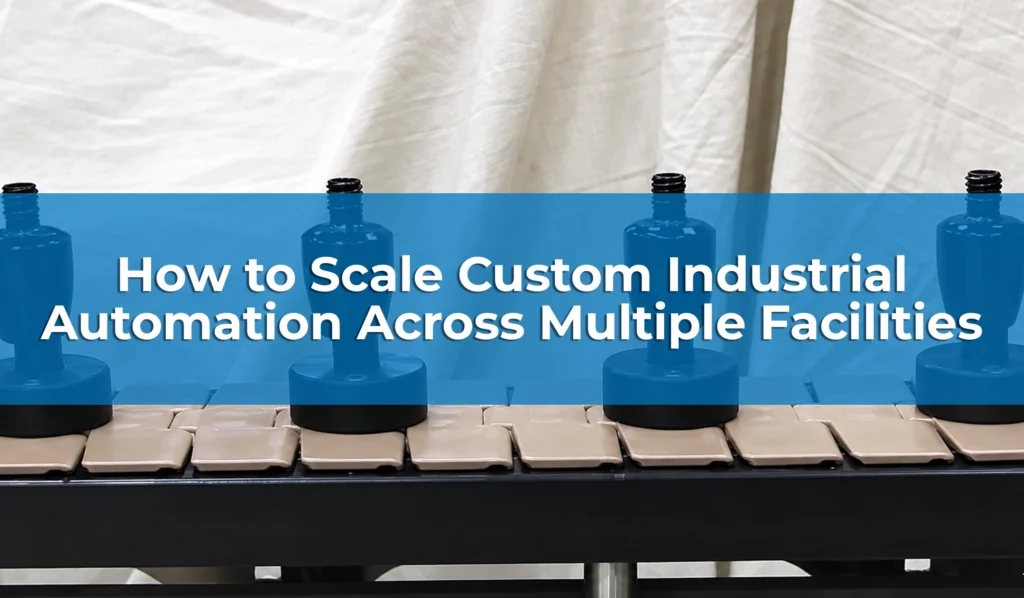
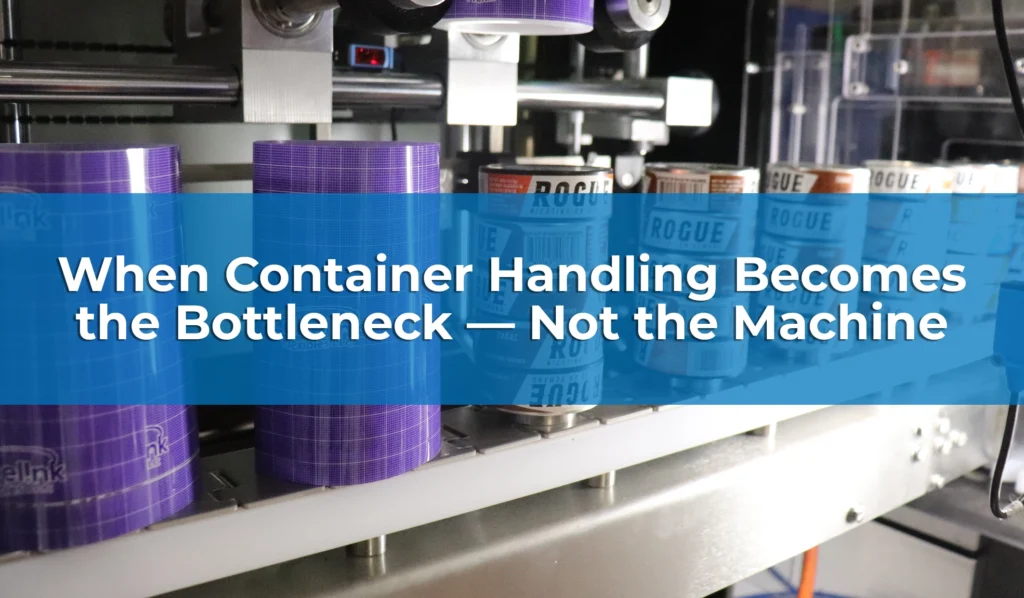
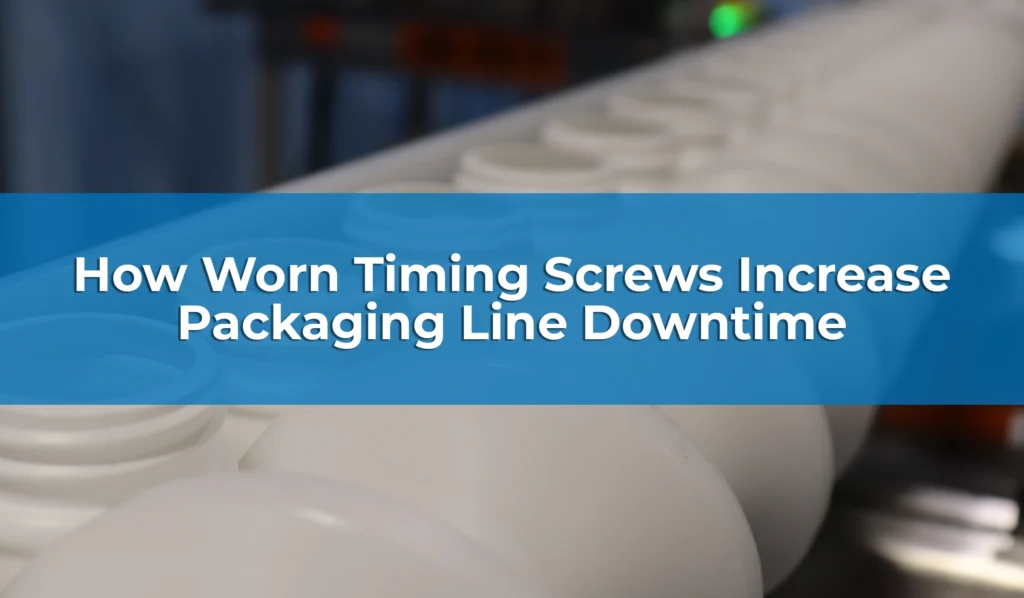
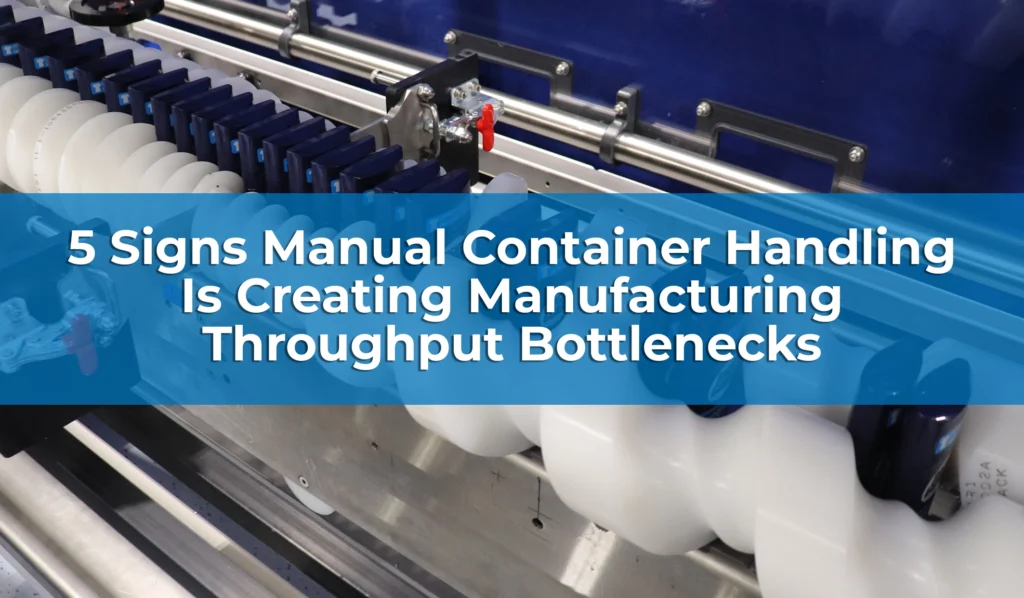
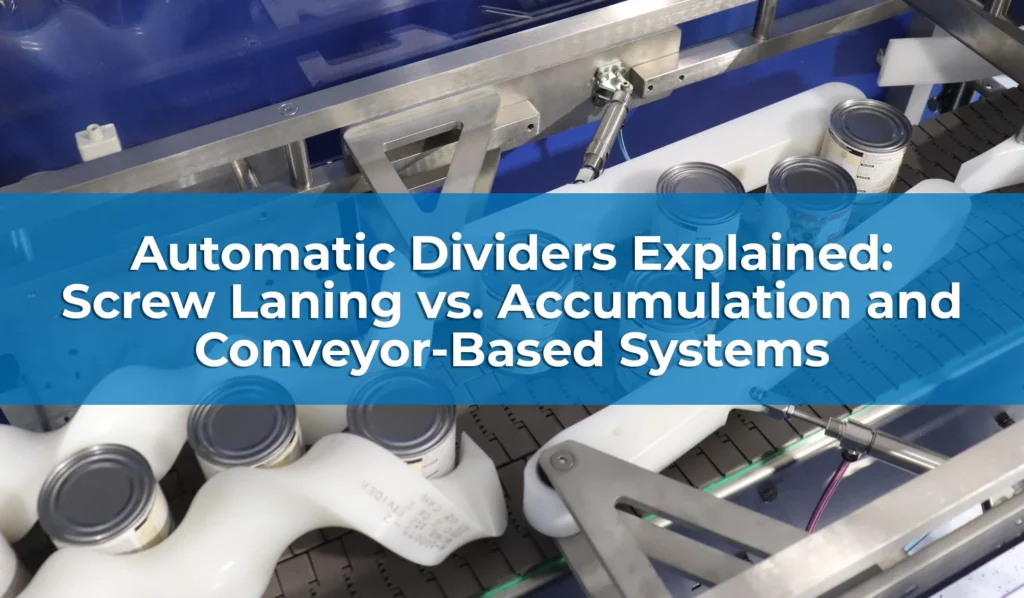
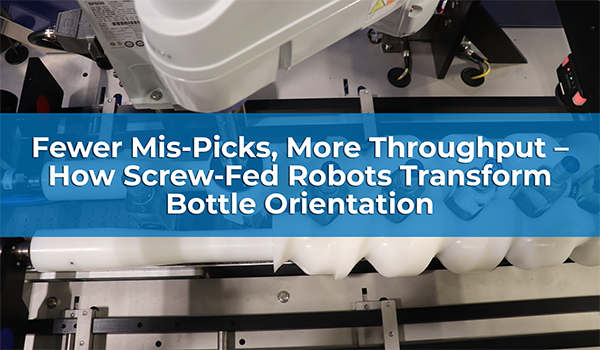
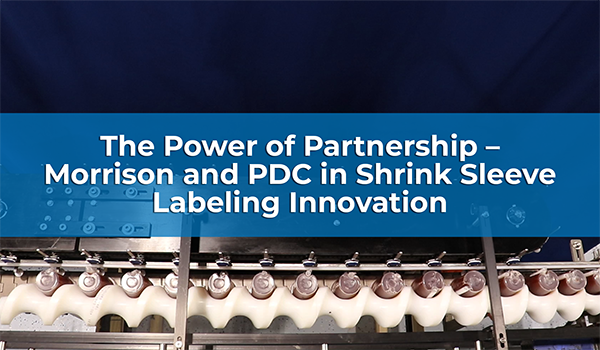
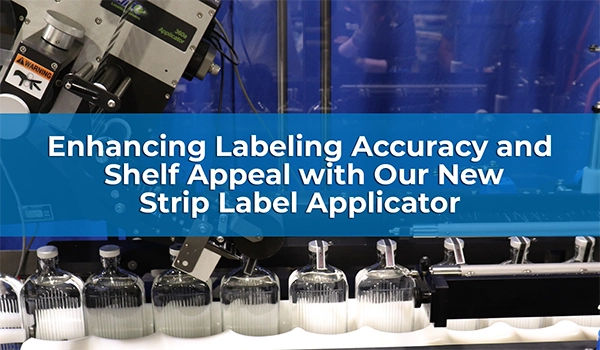
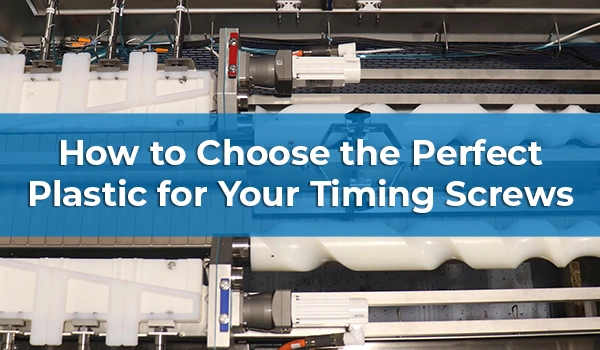
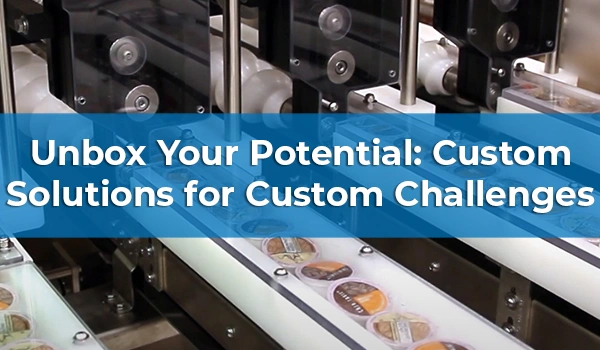
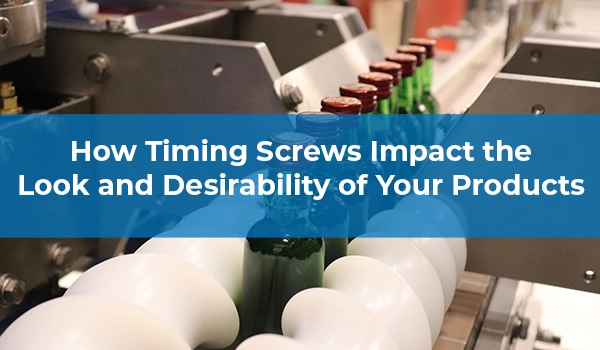
One example comes from equipment Morrison developed to handle tobacco pouch cans. The same general container handling approach has been used for both new production lines and retrofit applications, requiring each system to be adapted to the conditions of the individual line rather than duplicated exactly. At the core of the application is the precise product control provided by timing screws as the cans are transferred onto pucks for the sleeving process.
The same underlying approach has also been adapted for other sleeving applications, including shaving cream cans and nail polish bottles. While each application requires equipment designed around its specific product and production requirements, the proven timing screw technology and controlled transfer process provide a foundation that can be adapted rather than developed from scratch.
These applications demonstrate how a proven automation process can provide a starting point while still allowing each system to be engineered around the requirements of the individual line.
Standardize Custom Industrial Automation Where It Makes Sense
Once an automation solution has been proven, the next step is identifying which elements can become a standard for future installations. For Morrison, this often means leveraging proven components and design features across systems when the application allows.
Drive brackets and idler brackets are one example. Using standard components with a proven service life provides consistency across systems while also supporting long-term maintenance. Because Morrison stocks these components, customers can also have easier access to replacement parts for service, maintenance, and preventive maintenance.
Framework and guarding can provide another opportunity for consistency. Using proven structural designs helps maintain the same level of support and robustness across systems, while established guarding designs protect operators from moving components and provide a consistent approach to machine safety.
Controls architecture can also remain consistent even when the mechanical design needs to change. Maintaining similar control philosophies and operator interfaces across systems can reduce training requirements, provide operators and maintenance teams with a more familiar experience, and make troubleshooting more efficient across multiple lines or facilities.
The goal, however, is not to standardize everything. A scalable automation strategyestablishes a common foundation while allowing the parts of the system affected by the application to change.
Adapt Automation Systems to Each Manufacturing Facility
Even facilities producing similar products rarely have identical production environments. Conveyor configuration, available floor space, production speeds, container requirements, upstream and downstream equipment, controls, and facility standards can all affect how an existing automation solution needs to be adapted.
Identifying these differences early helps determine which elements of the proven system can remain consistent and which require mechanical, electrical, or controls modifications.
Design Scalable Automation for Changing Production Needs
When manufacturers know an automation concept may eventually be used across multiple products, lines, or facilities, designing for flexibility from the beginning can make future expansion easier. Morrison’s standard approach emphasizes quick-change design because production requirements rarely remain static. Lines may need to accommodate new containers, different speeds, or other changes as production needs evolve.
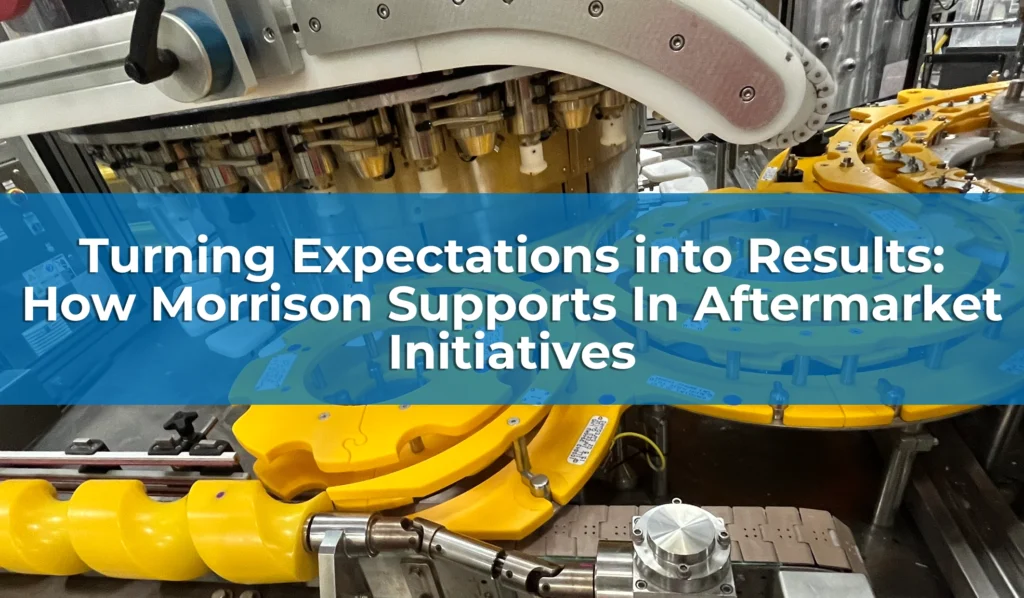
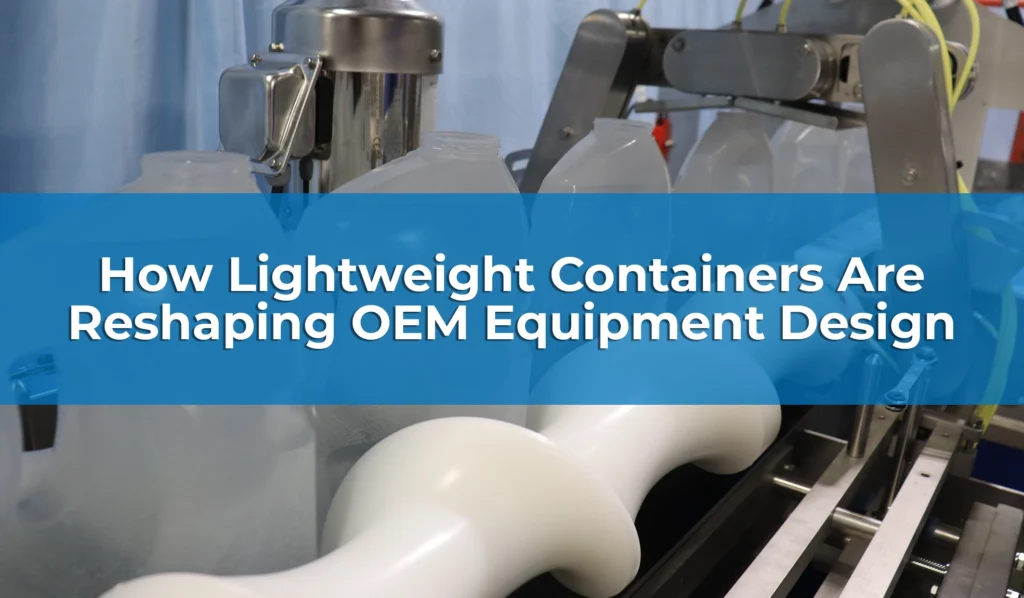
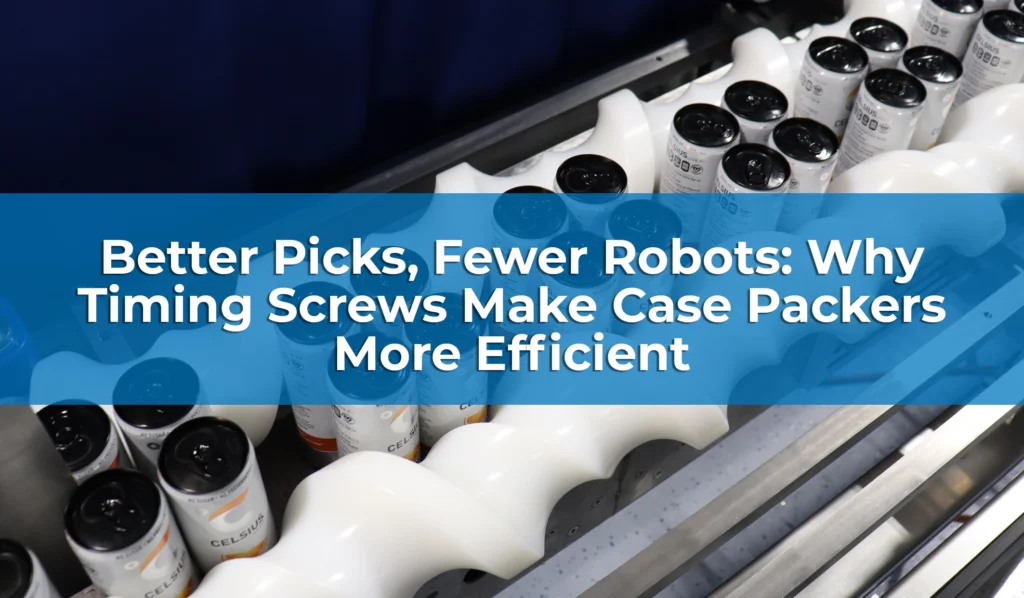
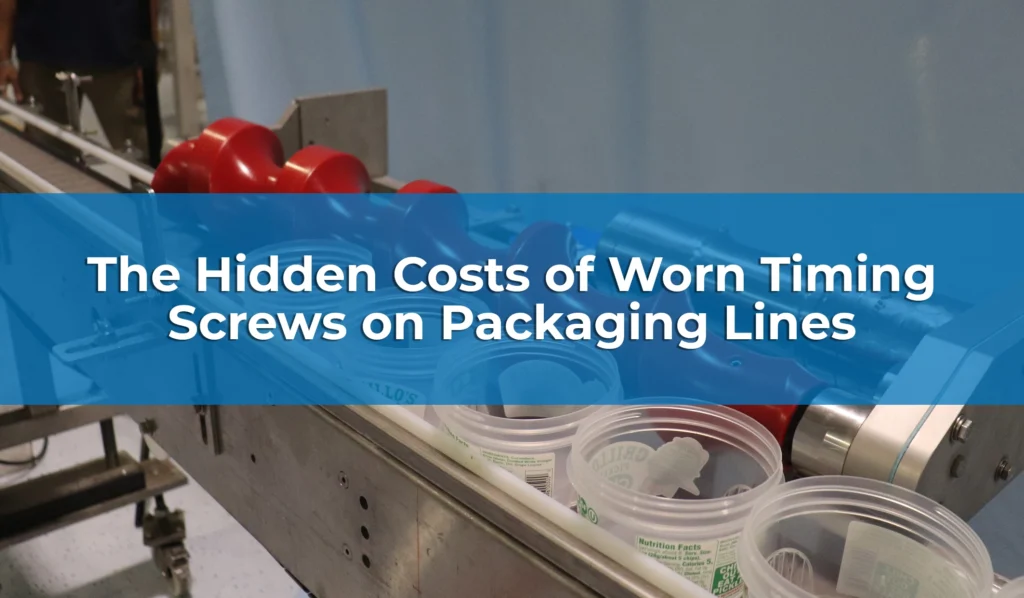
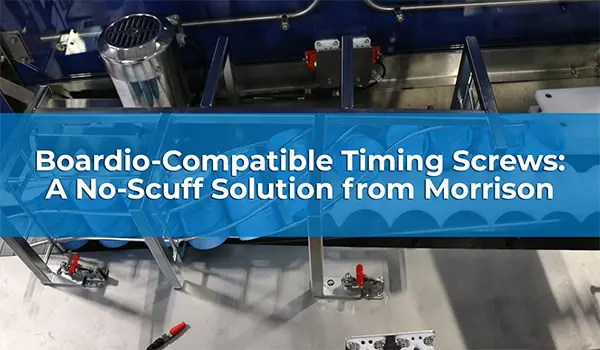
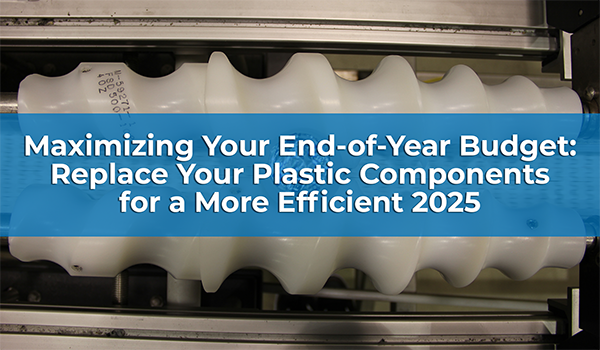
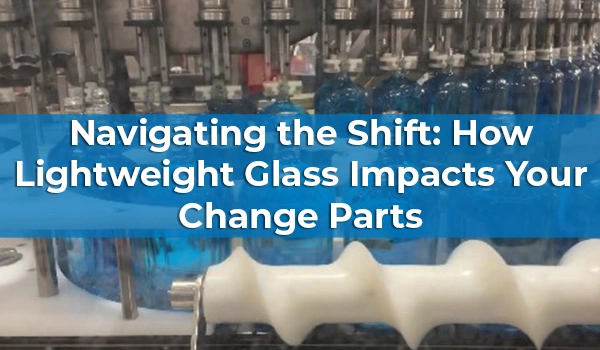
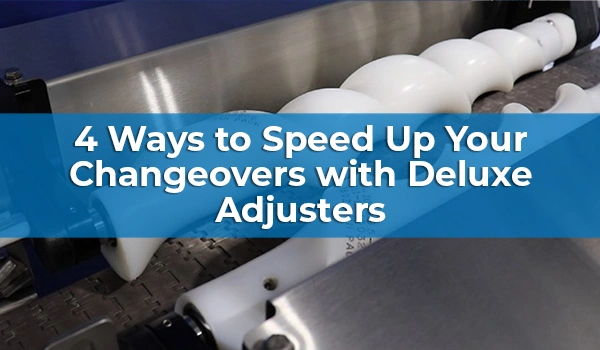
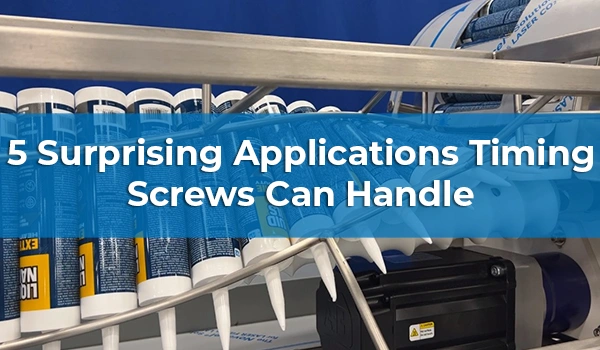
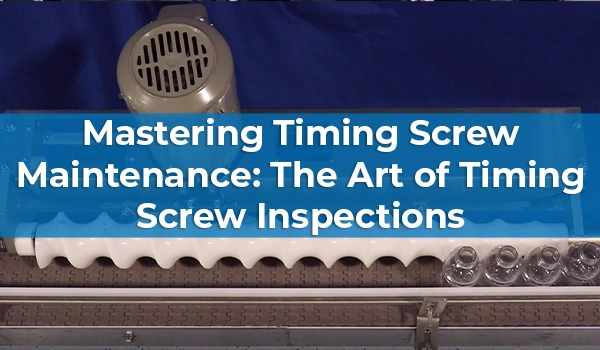
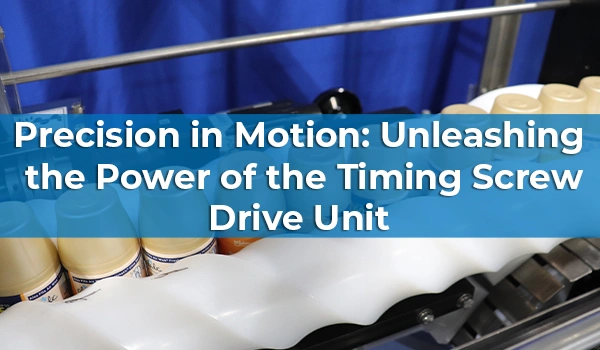
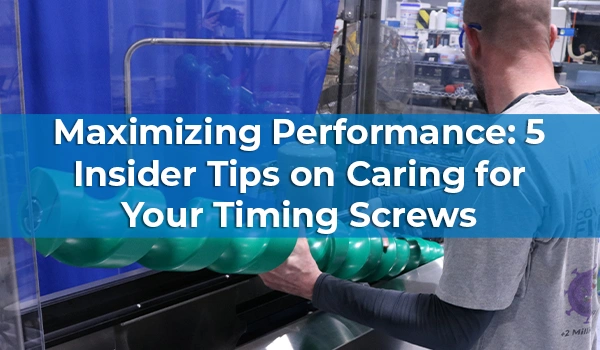
Timing screw technology provides one example of this flexibility. Timing screws can be customized for different container shapes, sizes, and spacing requirements, allowing the container handling approach to be adapted as applications change.
Standardized servo motors, drives, and controls platforms can provide another level of flexibility. A common controls architecture can be scaled to accommodate varying production speeds and system complexities while maintaining greater consistency across equipment.
The physical design of the equipment can also make future adaptation easier. Modular framework and conveyor interface designs can simplify integration into different line configurations and existing facility layouts. Morrison draws from an established inventory of proven components and designs that can be incorporated into new systems rather than engineering every element from the ground up.
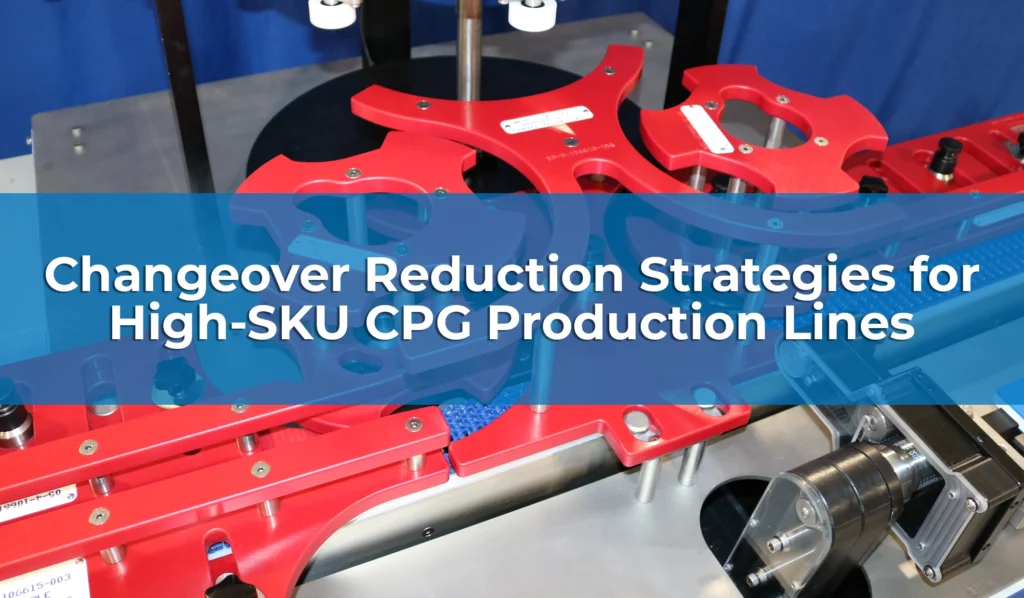
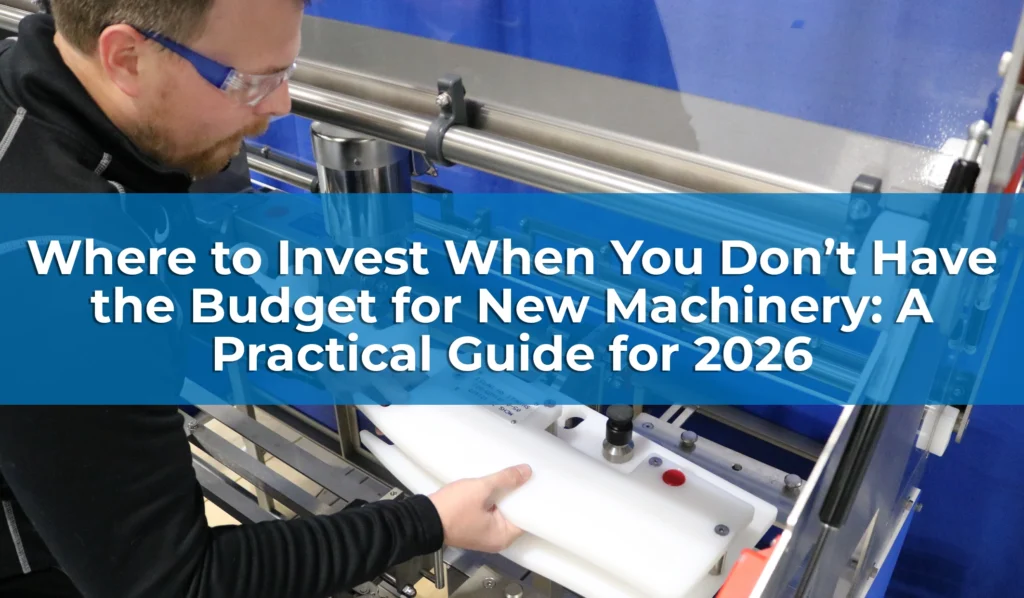
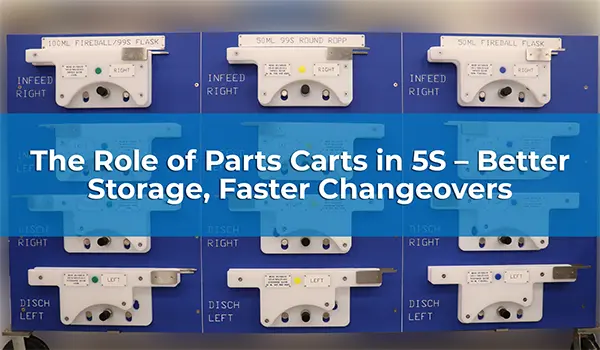
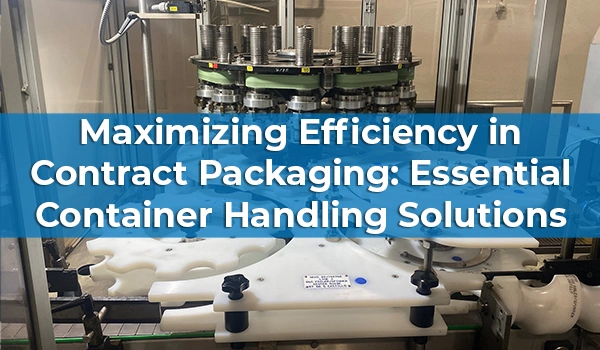
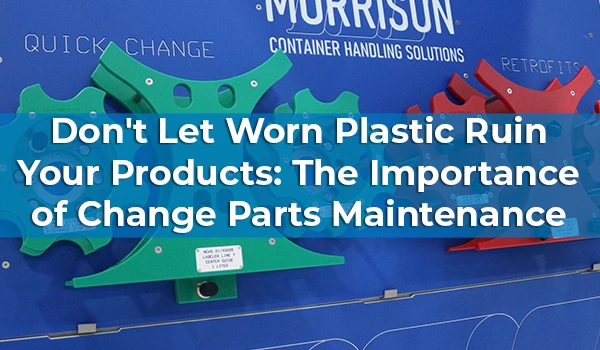
Quick-change tooling and components are another important part of this approach. Unless an application requires otherwise, Morrison designs equipment with quick changeover in mind, helping manufacturers adapt equipment for different products or production requirements with less disruption.
Improve Custom Automation With Each Facility Deployment
The first successful installation should serve as a baseline, not necessarily a final template.
Morrison captures these opportunities throughout the project rather than waiting until the next system is designed. During equipment assembly and testing, assembly and service teams redline drawings to document updates and potential improvements. Engineering can then incorporate those changes into the associated drawings and models, creating a record of how the design evolved throughout the project.
After each system ships, Morrison also conducts a lessons-learned debrief to review what went well and identify opportunities for improvement. Documenting this feedback helps preserve knowledge from the completed project so it can inform future equipment designs, including subsequent systems for the same customer.
These documented lessons provide a stronger starting point for subsequent systems, allowing each deployment to benefit from improvements identified during previous projects.
Scale Custom Industrial Automation Without Duplicating Every System
Scaling custom industrial automation means carrying forward the proven elements of a solution while adapting the equipment to each application. This approach creates greater consistency across facilities without forcing every production line into an identical design.
For manufacturers looking to expand a successful container handling solution to additional lines or facilities, Morrison can help evaluate the existing application, identify opportunities for standardization, and develop equipment around the requirements of each installation.
Ready to bring a proven automation solution to another line or facility?
Start the conversation with Morrison.