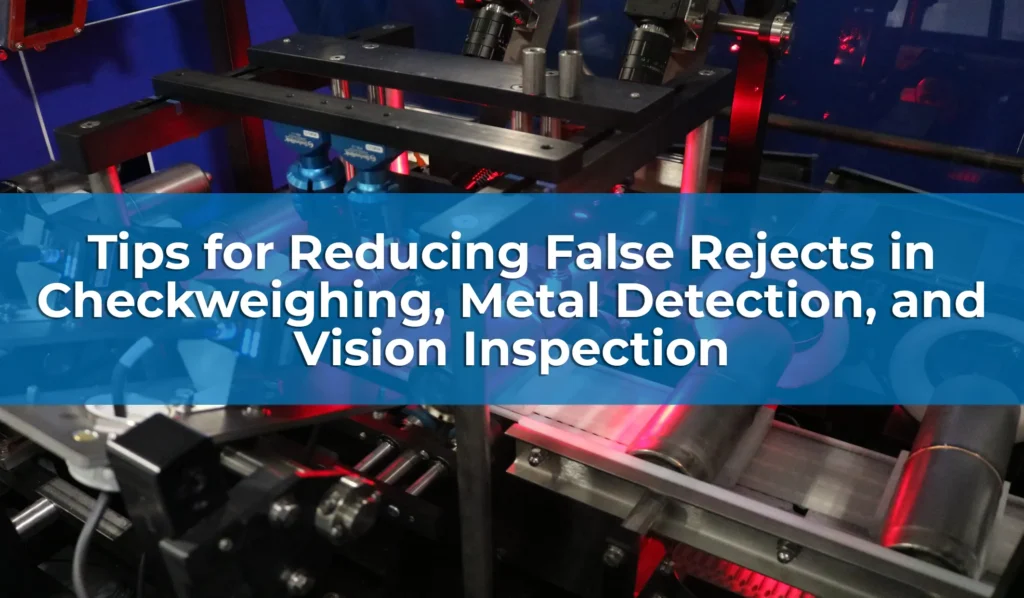
Reducing false rejects are one of the most frustrating — and costly — problems in inspection systems. While inspection OEMs design highly accurate checkweighers, metal detectors, X-ray, and vision inspection equipment, real-world performance often suffers once machines are installed on a production line.
More often than not, the issue isn’t the inspection technology itself — it’s inconsistent container handling upstream.
At Morrison Container Handling Solutions, we partner with inspection OEMs to solve this problem at the source by delivering precise, repeatable container control that allows inspection systems to perform exactly as designed.
The Real Cause of False Rejects: Inconsistent Container Spacing
Accurate inspection depends on a simple but critical requirement: each container must be isolated and presented consistently.
In real production environments, however, containers often:
- Crowd together due to back pressure
- Slip on conveyors in wet or humid conditions
- Tip, wobble, or rotate at higher speeds
- Arrive inconsistently spaced from upstream equipment
When containers are not properly separated, inspection systems struggle to isolate a single product, leading to false rejects, wasted product, and frustrated customers. Too often, the inspection machine takes the blame for a problem it didn’t create.
That’s where Morrison comes in.
How Morrison Supports Inspection Equipment OEMs
Morrison provides OEM container handling solutions designed specifically to support inspection applications — including checkweighing, metal detection, X-ray, and vision inspection systems.
Our role is simple but critical: we give your inspection system the space and control it needs to work accurately and consistently.
By integrating Morrison equipment upstream of inspection points, OEMs can:
- Help Ensure reliable, repeatable container spacing
- Eliminate variability caused by end-user line conditions
- Reduce false rejects before they start
- Protect their equipment’s performance and reputation
Container Handling Solutions Built for Inspection Accuracy
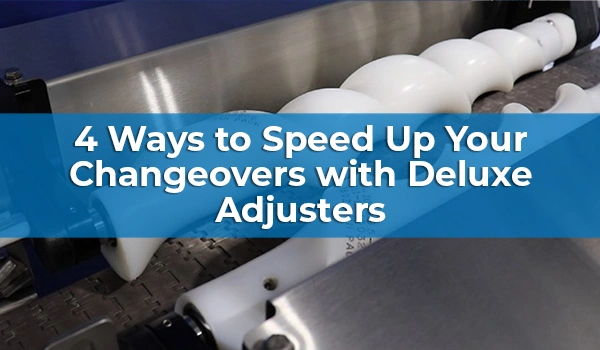
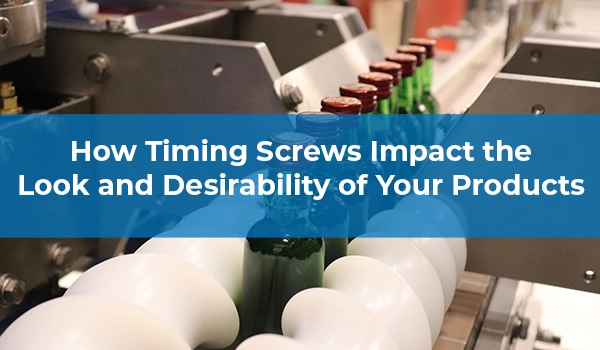
1. Timing Screws for Precise Container Separation
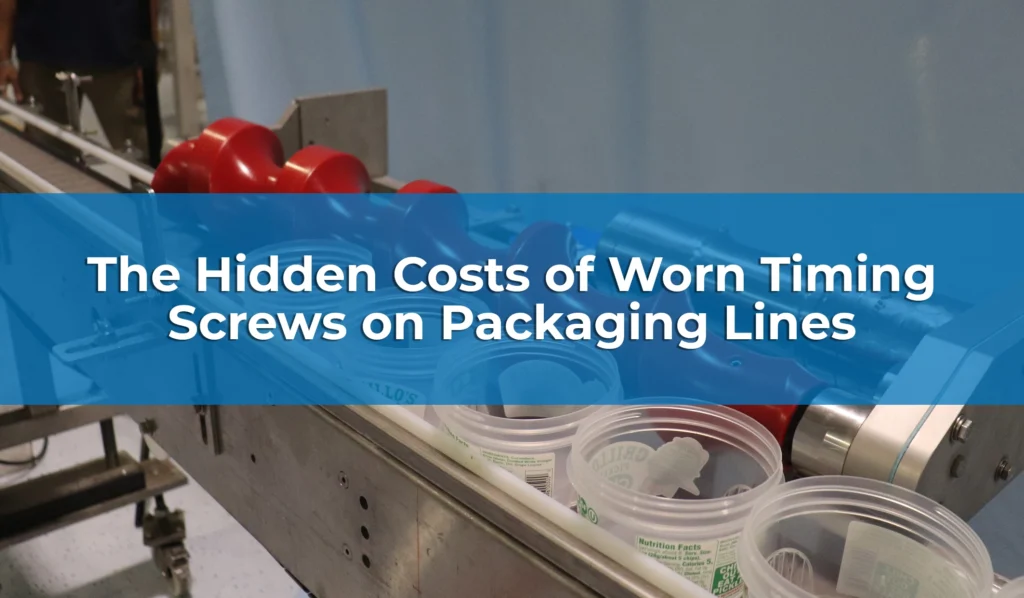
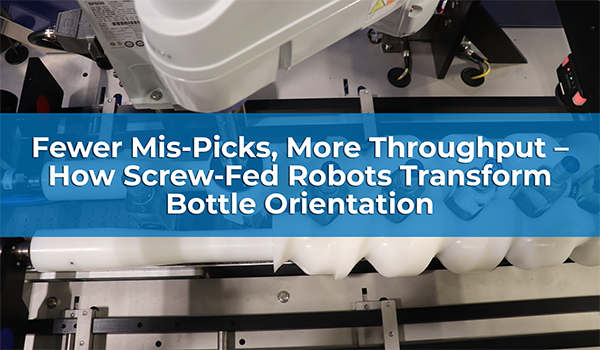
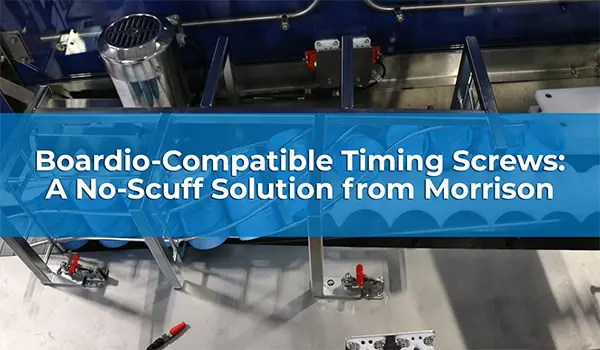
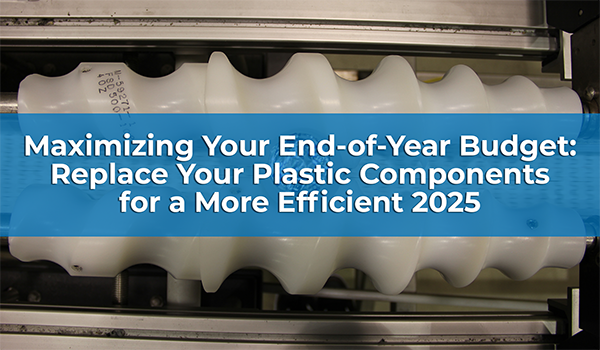
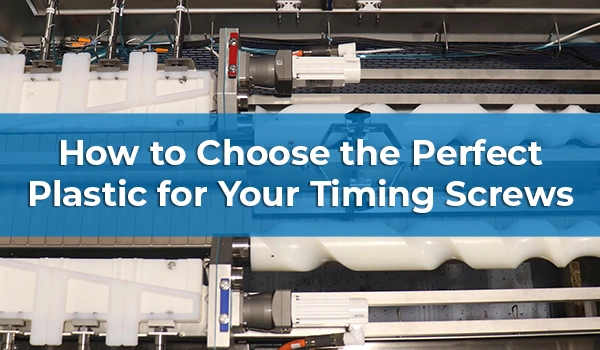
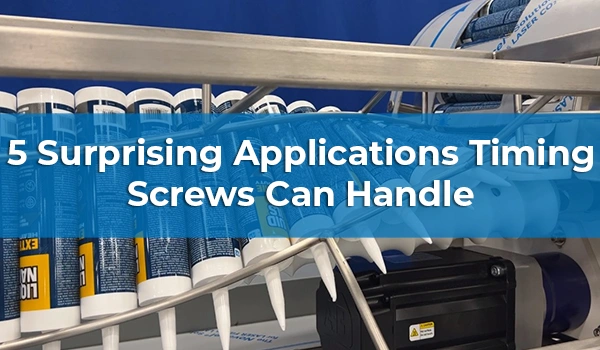
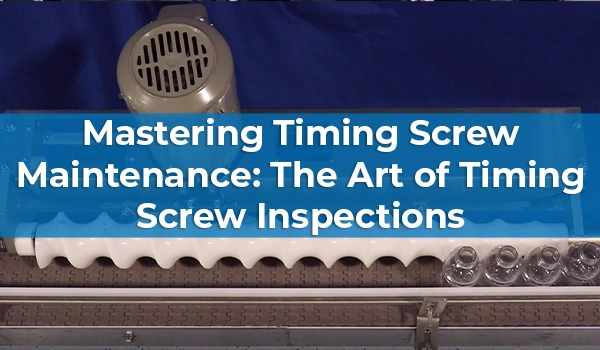
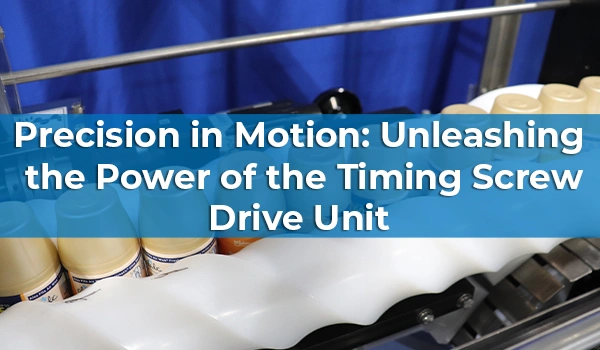
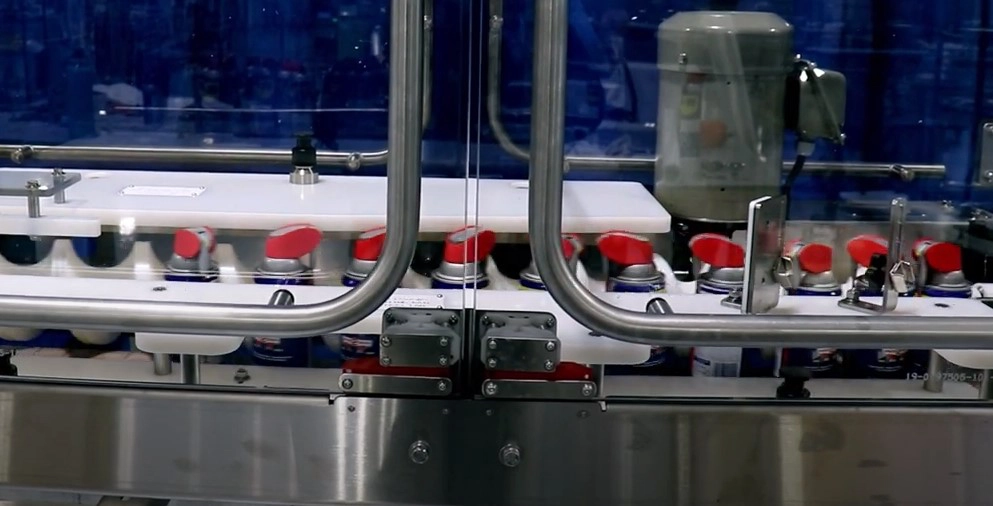
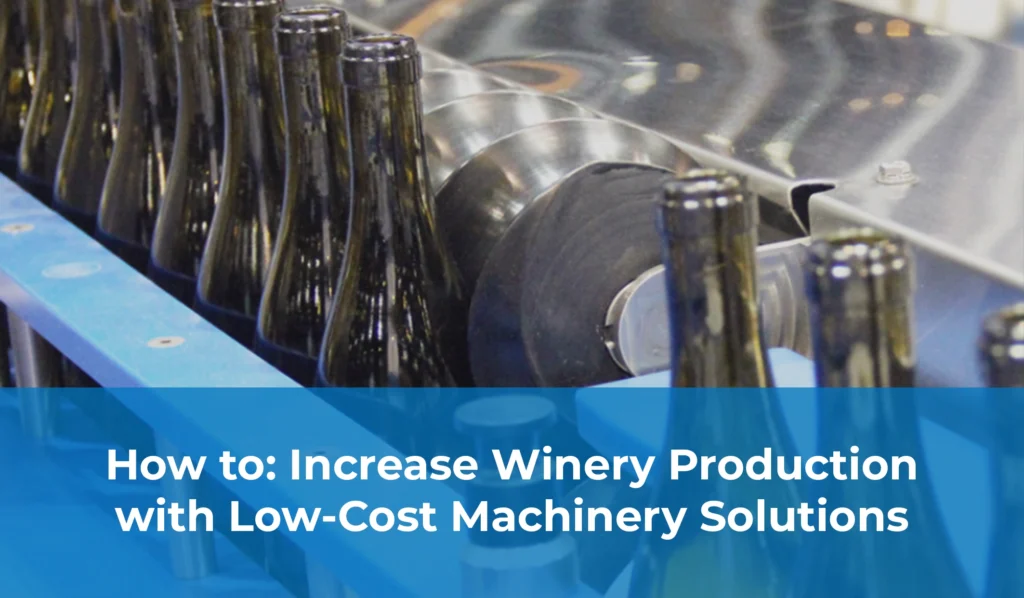
Morrison timing screws create consistent pitch between containers, even when back pressure overwhelms traditional metering wheels or side belts. This ensures inspection systems can isolate one container at a time — every time.
They’re especially effective when:
- Containers are lightweight or unstable
- Line speeds are increasing
- Environmental conditions cause product slippage
2. Dual Timing Screws for Square and Rectangular Containers
Square and rectangular containers present unique challenges for inspection accuracy. Morrison’s dual timing screw systems positively control these containers, preventing rotation and maintaining consistent orientation for reliable inspection results.
3. Controlled Conveyor Transfers
Transfers are a common source of spacing loss. Morrison systems maintain container pitch through conveyor transitions, preventing bunching and spacing collapse before inspection points.
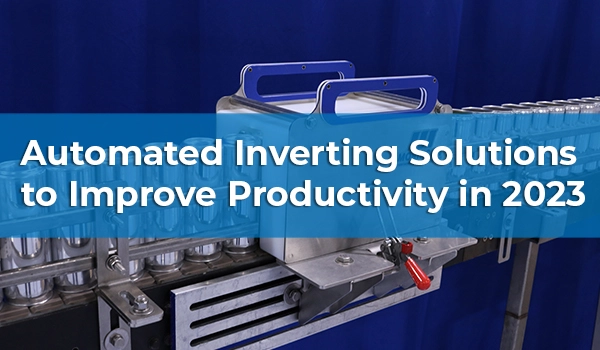
4. Product Inversion for Targeted Inspection
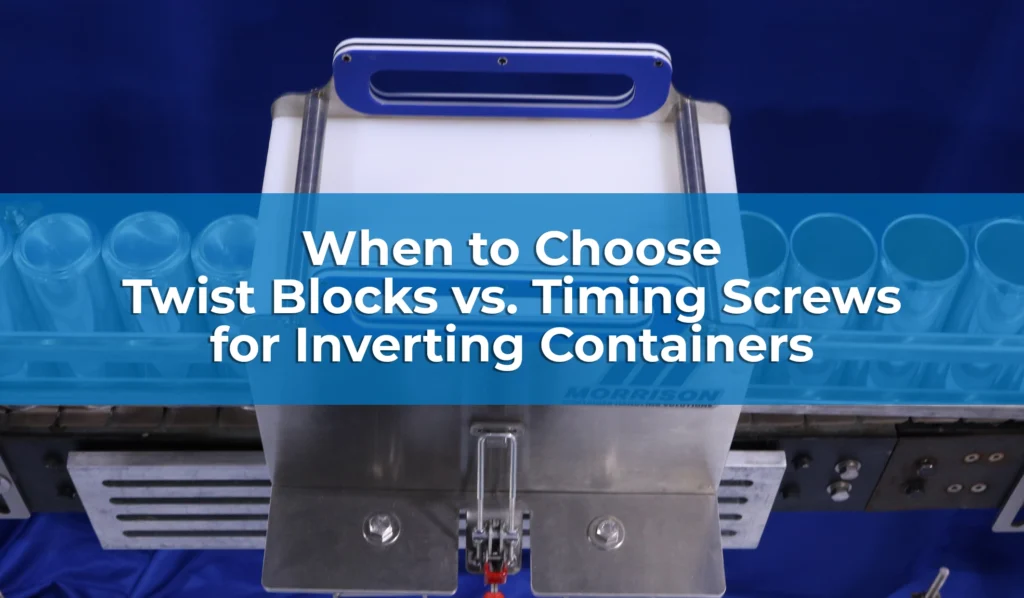
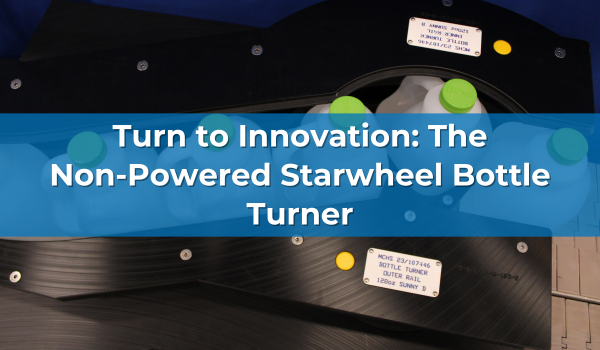
When inspection requires access to a specific area of the container — such as the bottom or sidewall — Morrison can invert products using twist technology. This creates repeatable, automated presentation so vision and X-ray systems can inspect exactly where needed.
5. High-Speed Lane Dividing and Merging
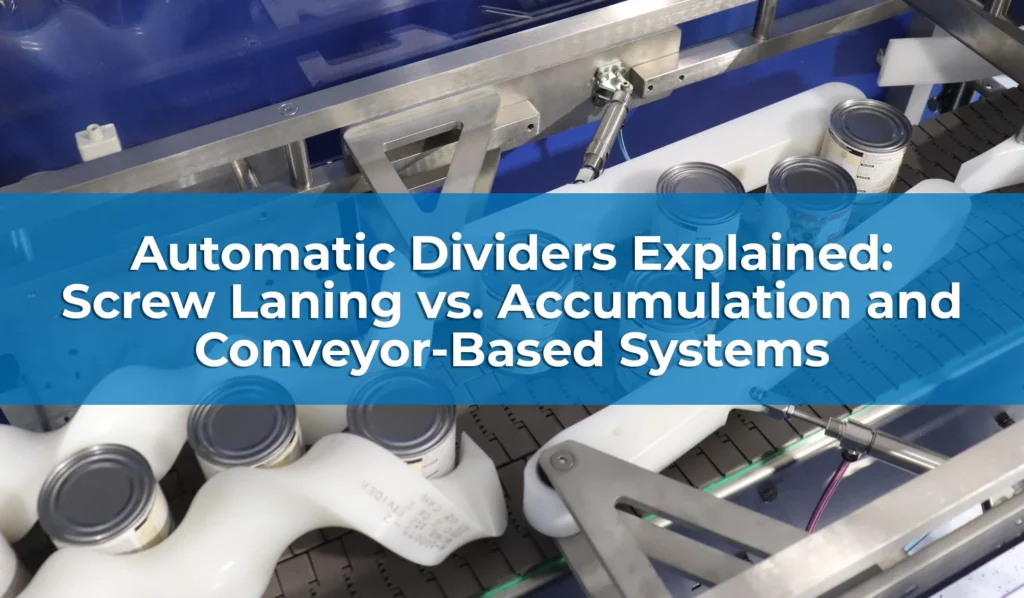
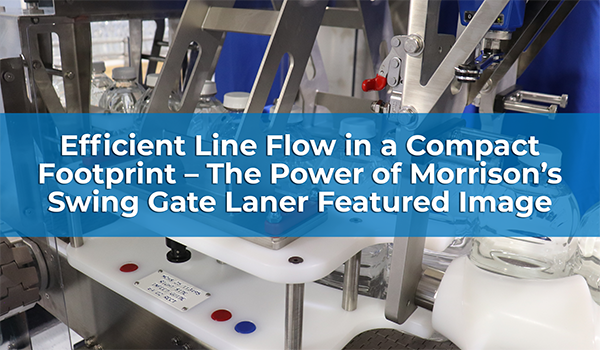
For higher throughput applications, Morrison can divide containers into two lanes for dual inspection stations, then seamlessly merge them back into a single lane — maintaining control without sacrificing speed or stability.
6. Stabilizing Unstable Products
Accelerating unstable containers often leads to tipping and fallen product. Instead of relying on speed changes alone, Morrison uses controlled handling to smoothly transition containers into inspection zones without disruption.
A True OEM Partnership — Not Just a Component
Inspection OEMs don’t just need equipment — they need reliable partners.
Morrison supports OEMs with:
- Strategic partnerships that fit your business model
- Catalog-ready systems as well as custom solutions
- Integration support from design through commissioning
- Field support that helps you support your end users
As a vertically integrated, USA-based manufacturer, Morrison also helps OEMs deliver faster lead times and consistent quality, even when custom solutions are required.
Improve Inspection Accuracy Before the Inspection Even Begins
Inspection accuracy doesn’t start at the sensor — it starts with positive container control.
By partnering with Morrison, checkweighing, metal detection, X-ray, and vision inspection OEMs can eliminate upstream variability, reduce false rejects, and ensure their equipment performs as designed in real-world production environments.
If you’re ready to improve inspection accuracy by controlling products, not just inspecting it — let’s talk.
5. Improve Container Control at Transfers and Merges
Unstable transfers between conveyors, combiners, or dividers are another hidden source of inefficiency.
High-impact improvements may include:
- Fine-tuning conveyor speeds to reduce sudden acceleration or deceleration
- Adjusting lane guides and dead plates to minimize container tipping
- Replacing worn transfer components that no longer provide smooth handoffs
Better container control reduces jams, improves safety, and helps downstream equipment run more consistently.
6. Revisit Operator Training and Line Best Practices
Sometimes the biggest opportunity isn’t mechanical — it’s procedural.
Ensure operators understand:
- Proper adjustment techniques
- Early signs of wear or misalignment
- Correct container handling during startups and restarts
Creating consensus around these key areas can prevent small issues from becoming major downtime events. Empowered operators are one of the most valuable assets on any packaging line.
Small Changes, Big Results
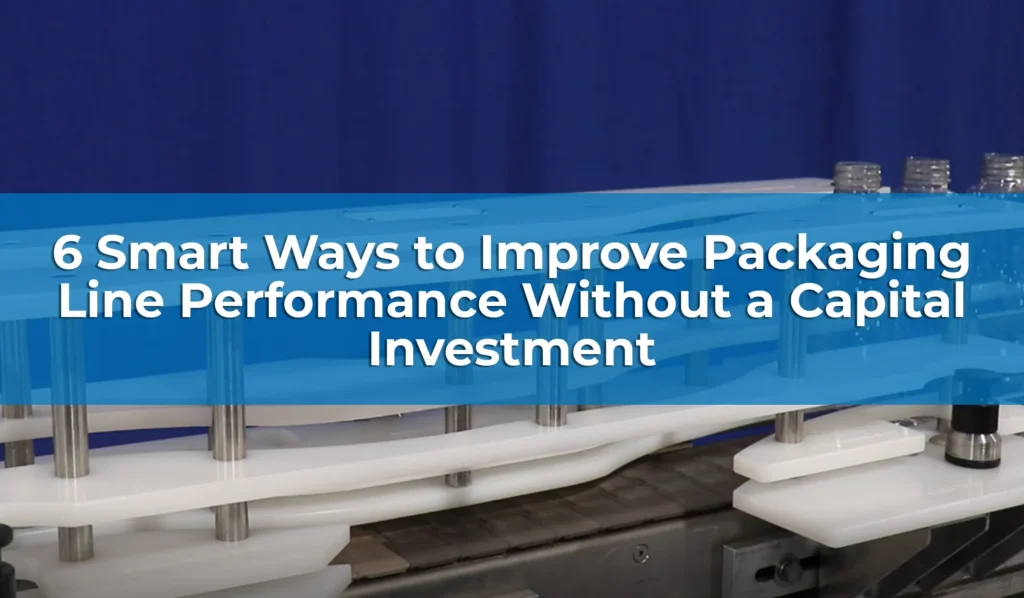
You don’t need a new machine to make meaningful improvements in your packaging plant. By reducing downed containers and bottles, automating container inversion with twist blocks, maintaining critical spare parts, and optimizing existing processes, you can unlock performance gains that directly impact productivity, safety, and profitability.
Looking for opportunities to improve your current line?
Start by evaluating where containers lose control, where downtime occurs most often, and where simple retrofits or maintenance upgrades could make the biggest difference.