Why Screw Dividing Technology Outperforms Non-Screw Automatic Dividers
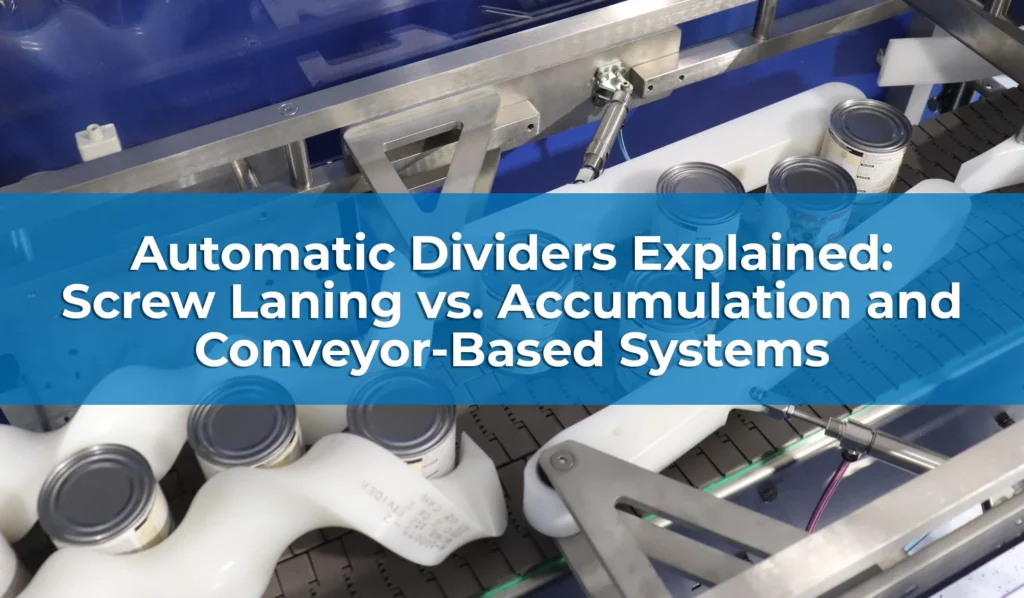
Product laning, also known as lane combining and lane dividing, is one of the key container handling applications on every production line. These automatic systems solve for scenarios where upstream or downstream equipment is slower or faster, and production facilities need to add machinery or lanes to keep up with throughput demands.
However, when it comes to automatic dividers and product laning, not all technologies deliver the same level of efficiency, control, and long-term value. For packaging and processing operations handling bottles, cans, or containers, the choice between screw dividers and non-screw dividing technologies can directly impact throughput, floor space, maintenance costs, and line stability.
At Morrison Container Handling Solutions, we specialize in timing screw dividers and screw laning systems designed to provide precise, repeatable container control. Below, we break down how common non-screw dividers work, where they fall short, and why screw dividing technology wins every time in efficiency, cost, and performance.
Common Non-Screw Divider Technologies (and Their Limitations)
Many automatic product laners on the market rely on container behavior rather than mechanical control. While they can work in certain applications, each comes with tradeoffs.
Option 1: Round Bottle Mass Accumulation Laners
These systems allow round bottles to accumulate and naturally “find” downstream lanes.
Challenges:
- Requires a large footprint to allow bottles to bunch and self-sort
- Relies on uncontrolled container movement
- Does not actively balance lanes, leading to inconsistent downstream flow
- Limited precision for high-speed or sensitive operations
Best suited for: Low-speed lines where floor space is not a concern and lane balance is non-critical.
Option 2: Starwheel-Only Dividers
Starwheel dividers feed containers directly into fixed-pitch pockets, typically splitting product into two lanes.
Challenges:
- Containers experience an abrupt change in direction and pitch, which can destabilize lightweight or tall containers
- Fixed centerlines make them poorly suited for frequent changeovers
- Limited flexibility when container sizes or downstream lane spacing changes
Best suited for: Stable containers with minimal SKU variation.
Option 3: Smart Conveyor Dividers
These systems use conveyor logic, friction, timing, and container behavior to divide product.
Challenges:
- Requires a larger footprint
- Performance depends on variables like:
- Container weight
- Coefficient of friction
- Timing consistency
- Higher upfront cost with more tuning and adjustment required
Best suited for: Applications where mechanical control isn’t possible and space is available.
Option 4: Pneumatic Pushers or Gate Dividers
Pneumatic push or gate systems physically divert containers into multiple lanes.
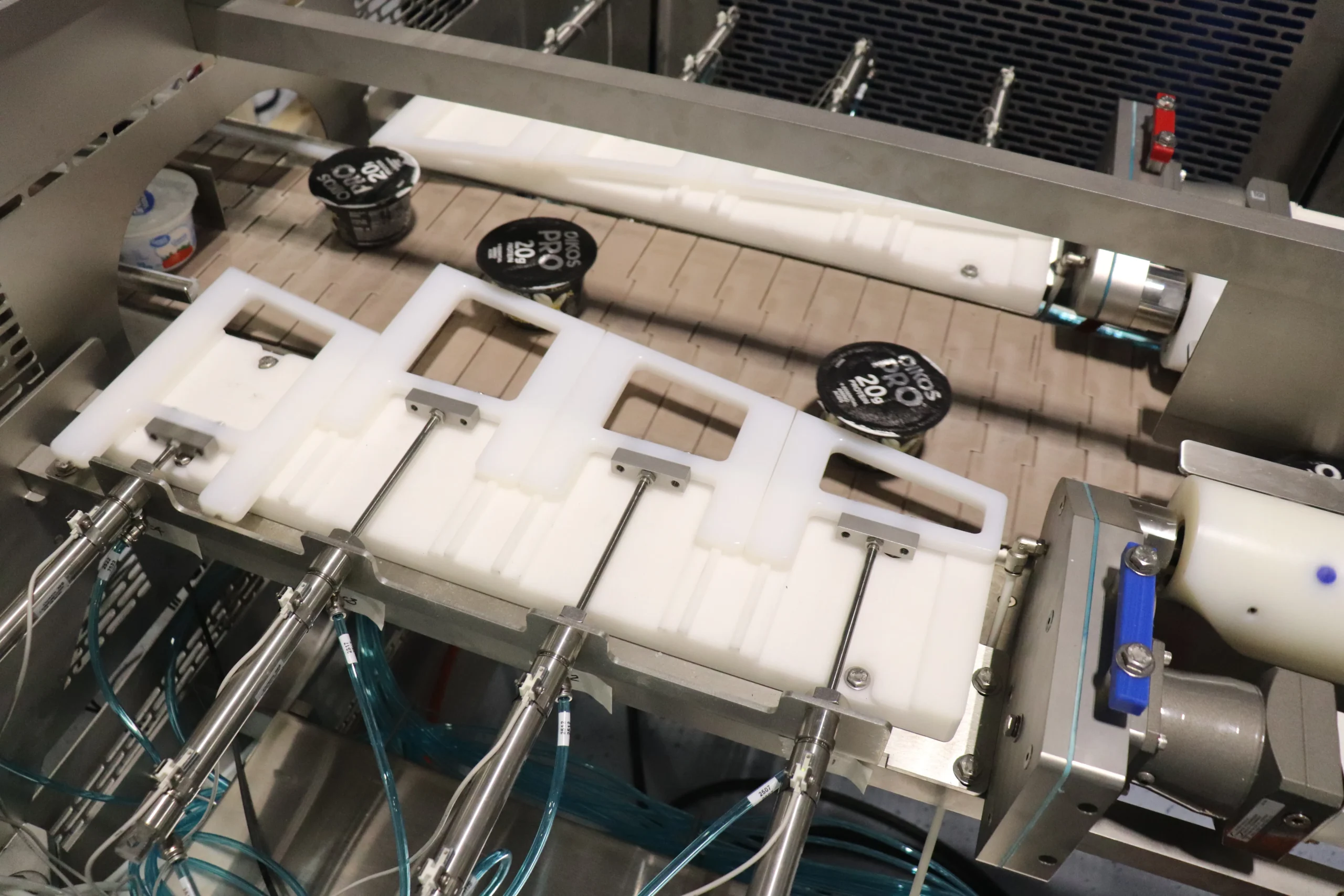
Advantages:
- Small footprint
- Can divert to multiple lanes
Challenges:
- Higher long-term maintenance due to constantly firing pneumatics
- Feeds product in slugs, not smooth continuous flow
- Typically requires consistent upstream spacing to function properly
Best suited for: Applications with controlled spacing and lower throughput requirements.
Why Screw Dividers Are Superior
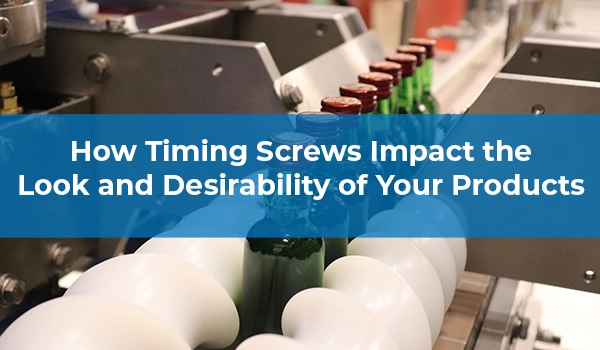
Unlike non-screw technologies that rely on container behavior, screw dividing systems positively control every container through the divide process. This results in unmatched consistency, stability, and efficiency.
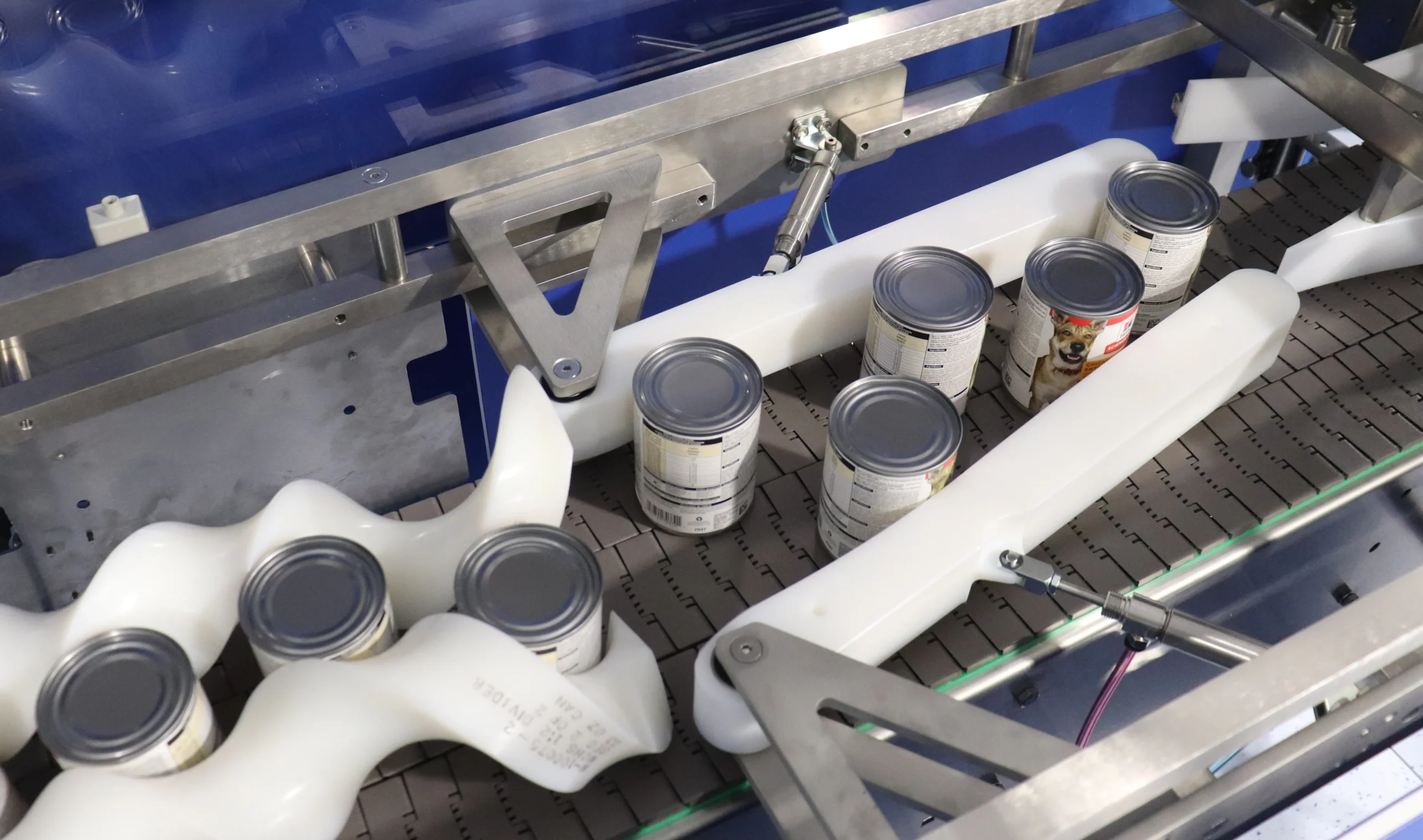
Morrison Timing Screw Divider Options
Option 1: Standard Timing Screw Divider
Designed for simple, reliable 1–2 lane divides.
Key Benefits:
- Always produces a perfect 50/50 lane split
- No air required, reducing maintenance and operating costs
- Speed is rarely a limitation, even in high-throughput applications
- Smooth, continuous container flow
- Minimal footprint compared to accumulation-based systems
Option 2: Smart Screw Divider
Adds intelligence and flexibility to screw laning.
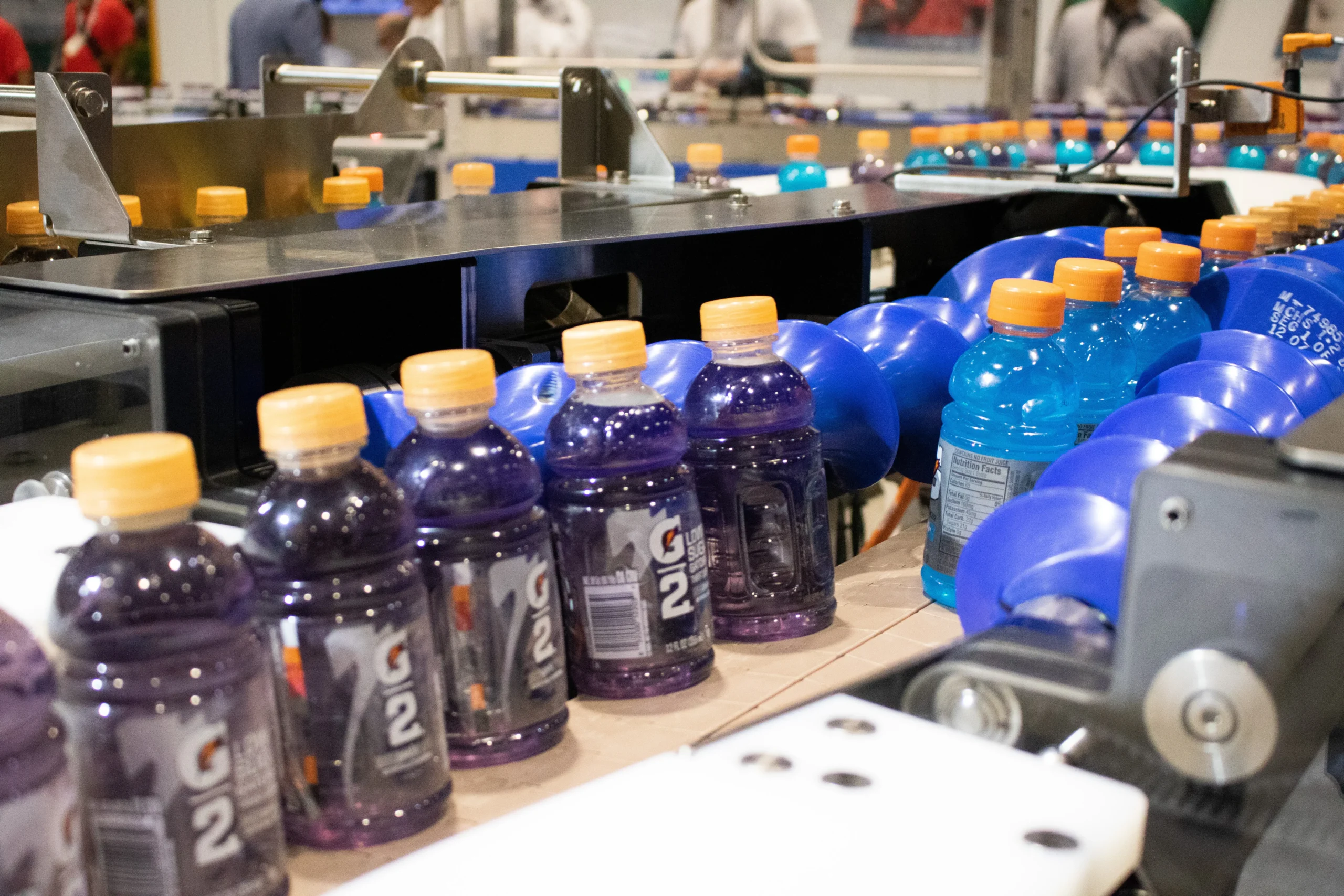
Key Benefits:
- Can run in:
- 50/50 split, or
- 100% of product to a single lane based on downstream signals or sensors
- Ideal for lines with:
- Accumulation control needs
- Temporary downstream downtime
- Requires air but still maintains precise mechanical control
Why Screw Dividers Win for 1–2 Lane Dividing
For 1–2 lane container laning, timing screw dividers consistently outperform all other divider technologies.
Screw dividers deliver:
- Higher efficiency
- Lower total cost of ownership
- Better container stability
- Predictable lane balance
- Reduced footprint
- Fewer variables to tune or troubleshoot
In short: screws win every time for 1–2 lane dividing when efficiency, cost, and speed matter.
What About Multi-Lane Dividing?
For applications requiring multiple lanes, the solution must be evaluated based on the container and line requirements. While screw laning can still be an option, several factors must be considered:
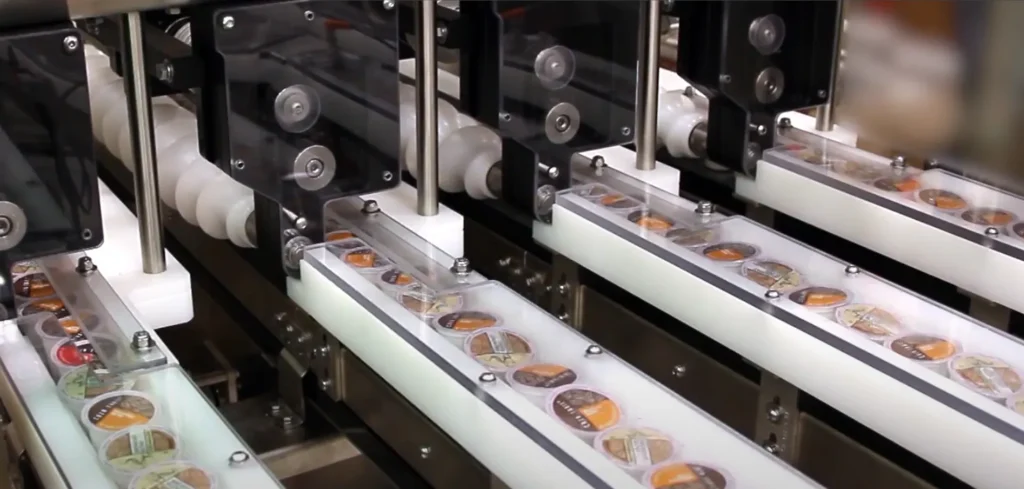
- Container stability (height, weight, material)
- Number of lanes required
- Available footprint on the line
- Changeover requirements
- Upstream and downstream equipment interaction
This is where Morrison’s application expertise becomes critical—matching the right dividing technology to the real-world demands of your operation.
The Morrison Advantage
Morrison Container Handling Solutions doesn’t just sell equipment—we engineer application-specific solutions. Our screw dividing and screw laning systems are designed to:
- Improve throughput
- Reduce downtime
- Simplify changeovers
- Deliver long-term reliability
Whether you’re evaluating automatic dividers, product dividers, automatic product laners, or container laning solutions, our team helps ensure you choose the right technology the first time.
Ready to Improve Your Dividing and Laning Performance?
If you’re struggling with inconsistent lane balance, excessive footprint, or high maintenance costs, it may be time to rethink your divider technology.
Contact Morrison Container Handling Solutions to discuss whether a timing screw divider or custom laning solution is the best fit for your line.