In today’s packaging and processing environments, production teams are under pressure to increase throughput, reduce labor, and improve changeover times—often without the budget for new equipment. The good news: You don’t need a full line overhaul to see measurable performance gains.
Small, strategic upgrades to your existing container handling equipment can deliver major improvements in efficiency, safety, changeover speed, and long-term reliability.
Below are 8 high-impact improvements that answer many of today’s most common packaging plant search queries—without the cost of purchasing a new machine.
1. Optimize Your Change Parts for Better Line Performance
“How do I improve packaging line throughput without buying new equipment?”
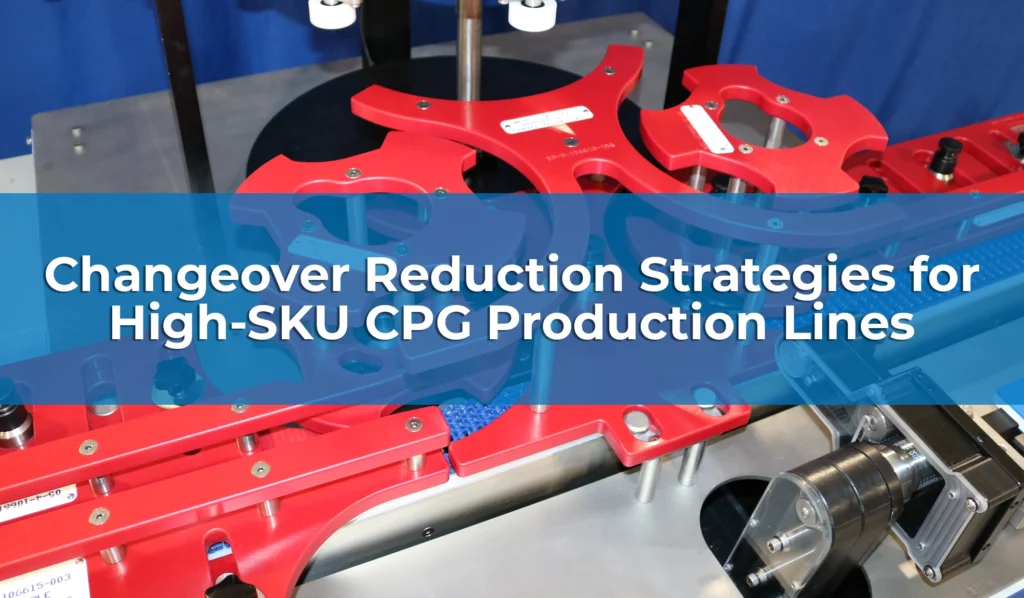
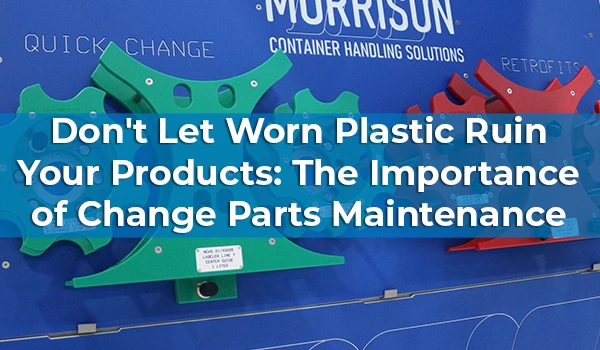
Upgrading worn or outdated change parts is one of the fastest ways to correct inconsistent running conditions and improve changeover efficiency. Many plants see reduced throughput simply because parts no longer match today’s container geometries.
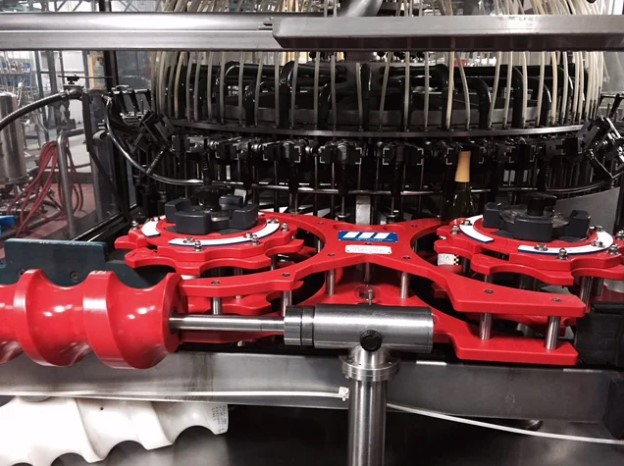
High-impact change part upgrades include:
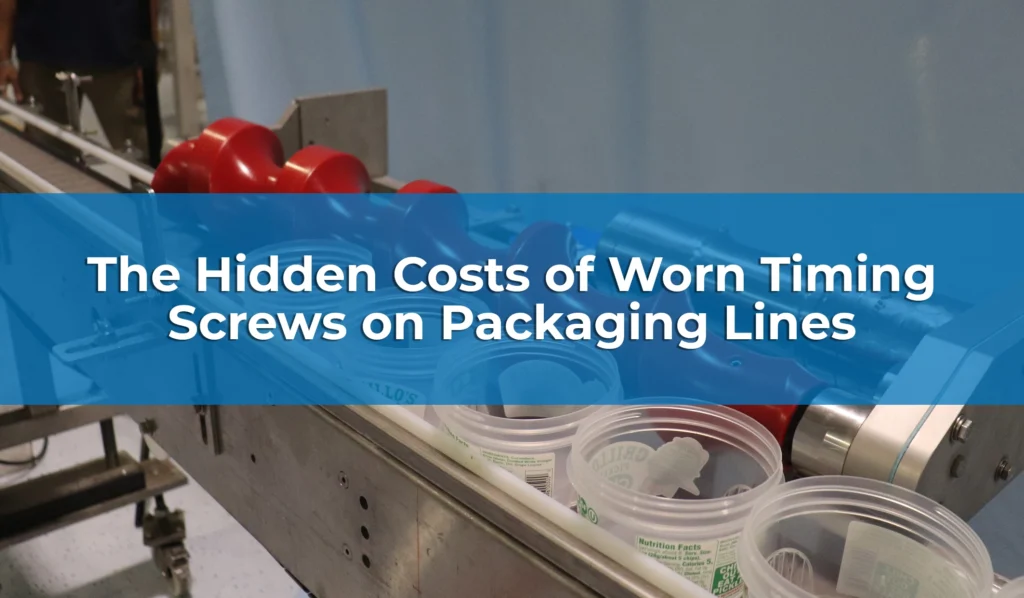
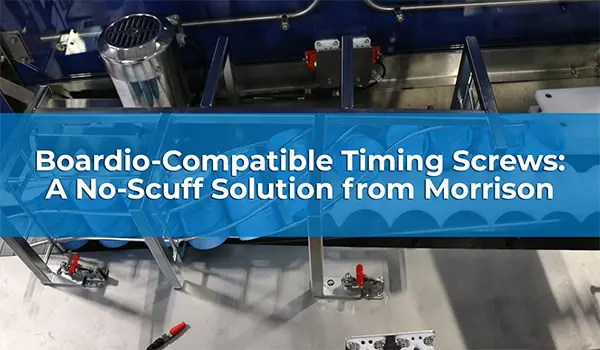
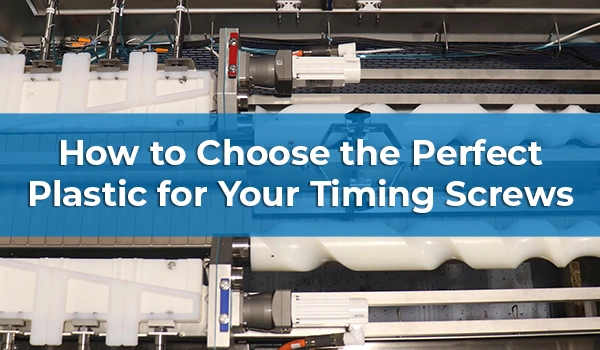
- Replacing timing screws with precision-designed versions for new or lightweighted containers
- Ordering complete sets of screws, guides, and starwheels for each container size
- Adding quick-release hardware for faster changeovers
- Replacing worn plastic on existing change parts
Low-Cost Throughput Improvements: Even minor imperfections in starwheels, guides, or screws create instability and product waste. Running multiple containers on mismatched sets magnifies these issues.
Why it matters:
Optimized change parts improve container stability, increase throughput, and reduce jams—and cost far less than new machinery.
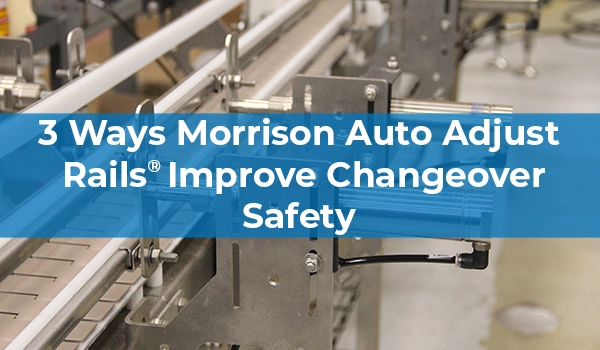
2. Switch to Adjustable Rails to Speed Up Changeovers
“What is the fastest way to reduce packaging line changeover time?”
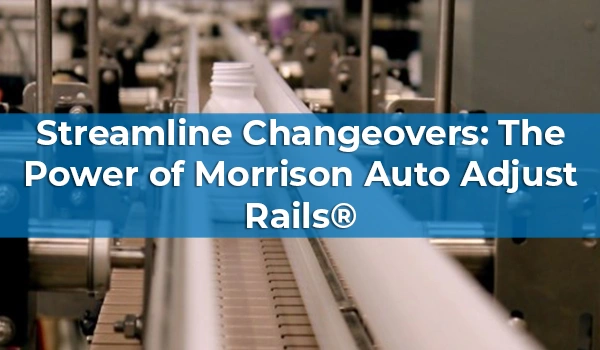
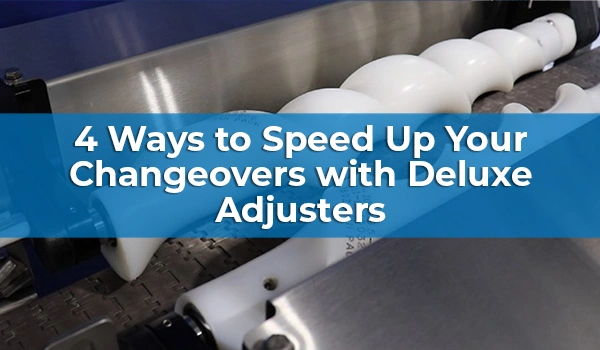
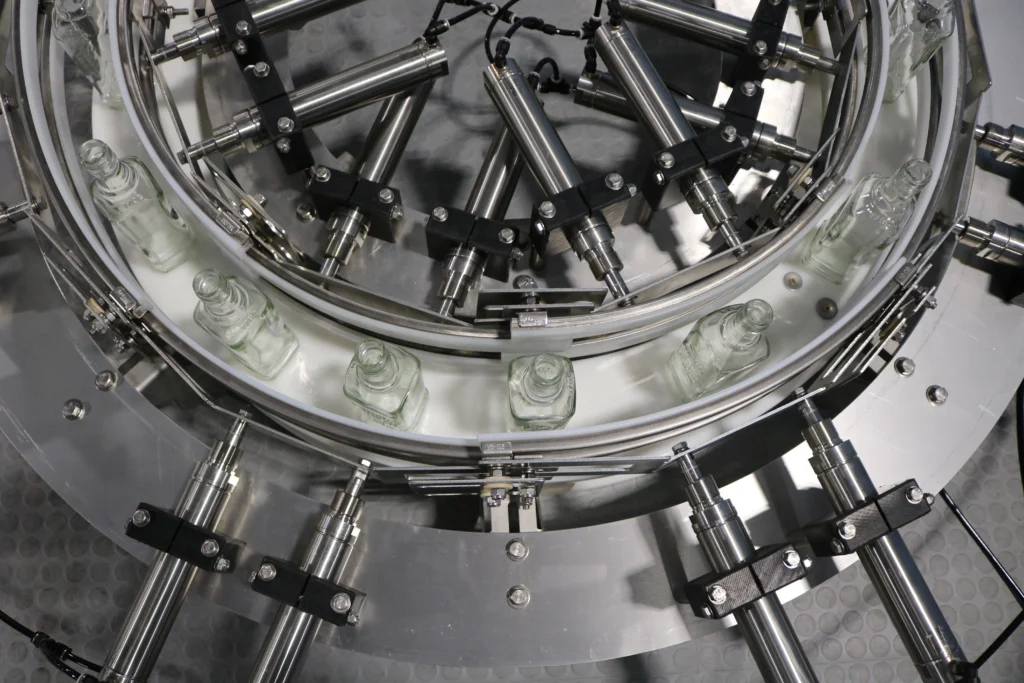
Rail adjustments are one of the biggest contributors to slow changeovers. Traditional fixed rails require repeated loosening, adjusting, tightening, and rechecking across long conveyor runs.
Adjustable rails eliminate this cycle and support repeatable, accurate container positioning.
How to Reduce Rail Adjustment Time: If budgets are tight, start with problem areas—corners, overhead sections, or areas with high ergonomic strain.
Why it matters:
Plants report significantly faster, safer changeovers with adjustable rail sections, reducing labor strain and inconsistent setups.
3. Add Small Container Handling Automation Modules to Remove Manual Touchpoints
“What low-cost automation upgrades can improve packaging line efficiency?”
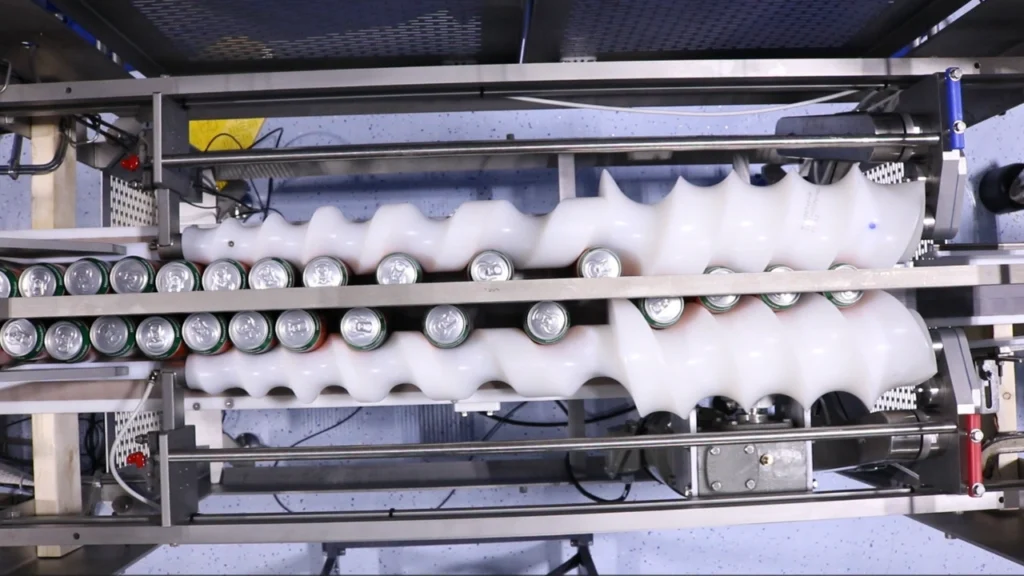
You don’t need a fully automated line to gain the benefit of automation. Modular add-ons can remove high-friction manual steps that slow down production.
Examples include:
- Automated lane dividers
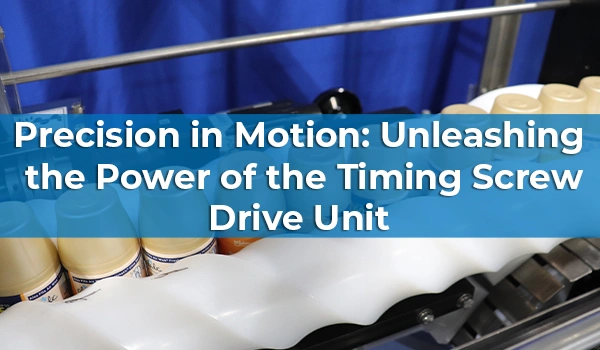
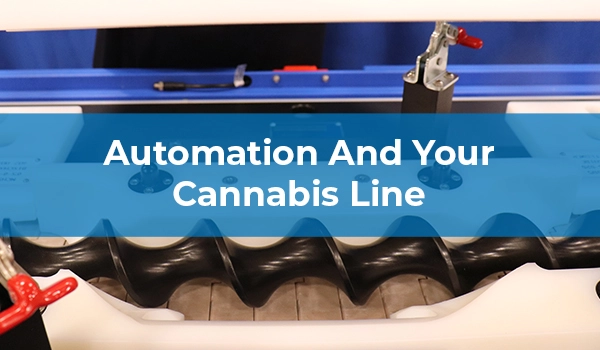
- Automated timing screw drive units for metering or indexing
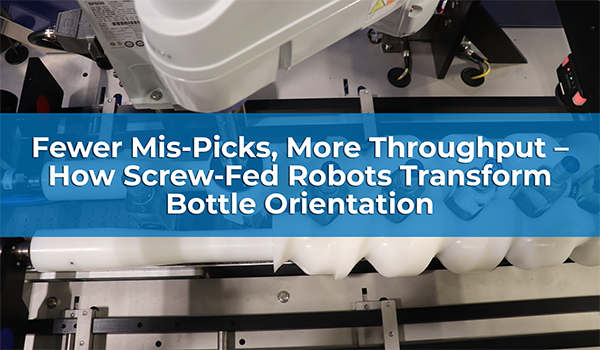
- Inline orienters that replace manual bottle orienting
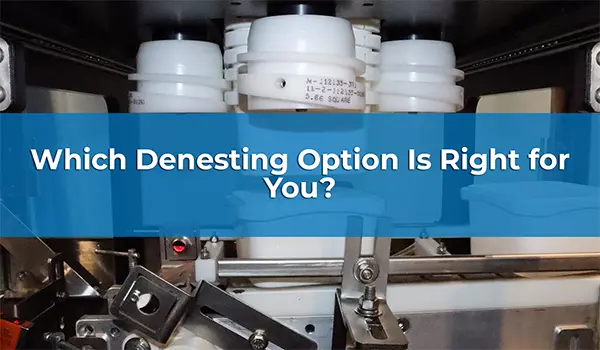
- Compact denesting units that automate repetitive loading
These systems often bolt directly onto existing conveyors or tables.
Why it matters:
Reducing manual intervention frees operators, lowers labor costs, and ensures consistent product handling throughout the line.
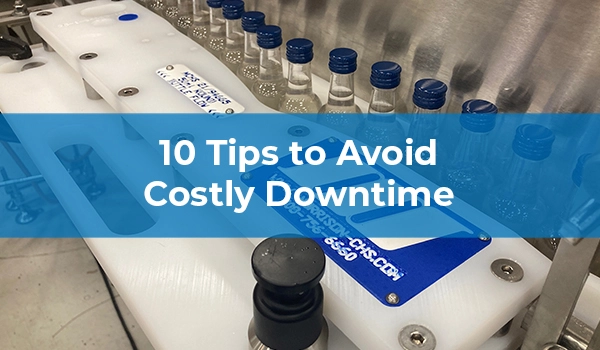
4. Implement Quick-Change Tools to Reduce Downtime
“How can I make machine changeovers quicker and more repeatable?”
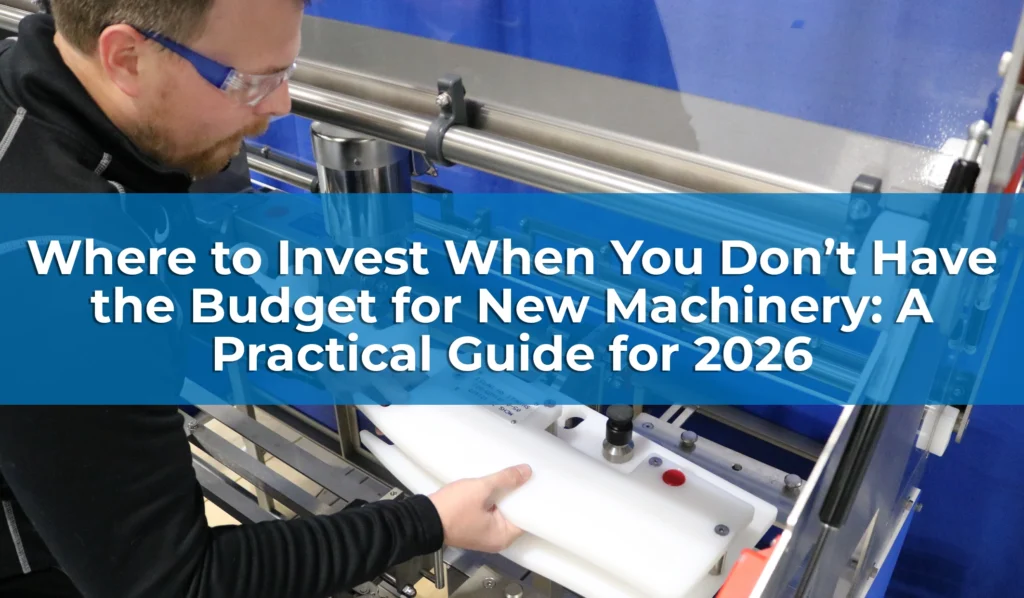
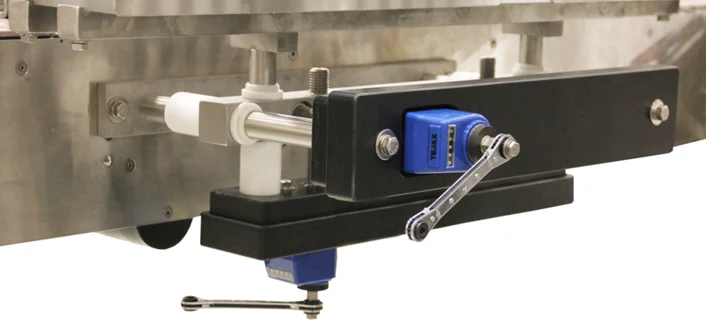
Quick-change mechanisms eliminate fine-tuning during changeovers and improve repeatability.
Common quick-change tooling upgrades:
- Tool-less, quick-change stars and guides
- Color-coded or plug-coded parts for easy container matching
- Repeatable locking positions
- Quick-change rail mechanisms for set container positions
Why it matters:
Across dozens or hundreds of changeovers per year, these small time savings accumulate into days of recovered production time.
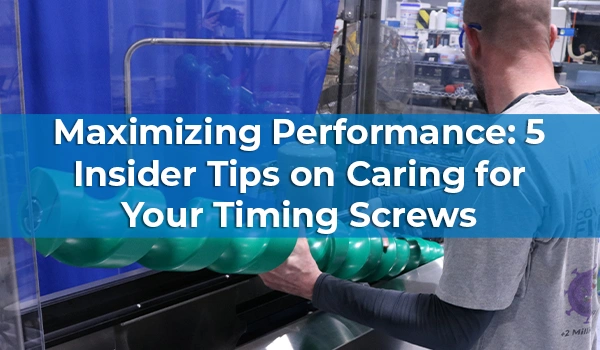
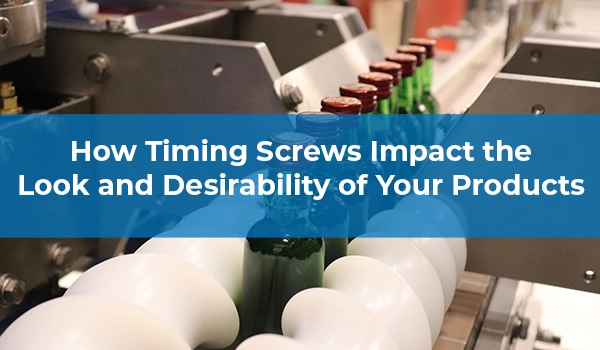
5. Reconfigure or Tune Your Existing Timing Screws to Fix Indexing, Jamming, and Throughput Issues
“How do I fix timing screw issues like jamming, index problems, or slowed throughput?”
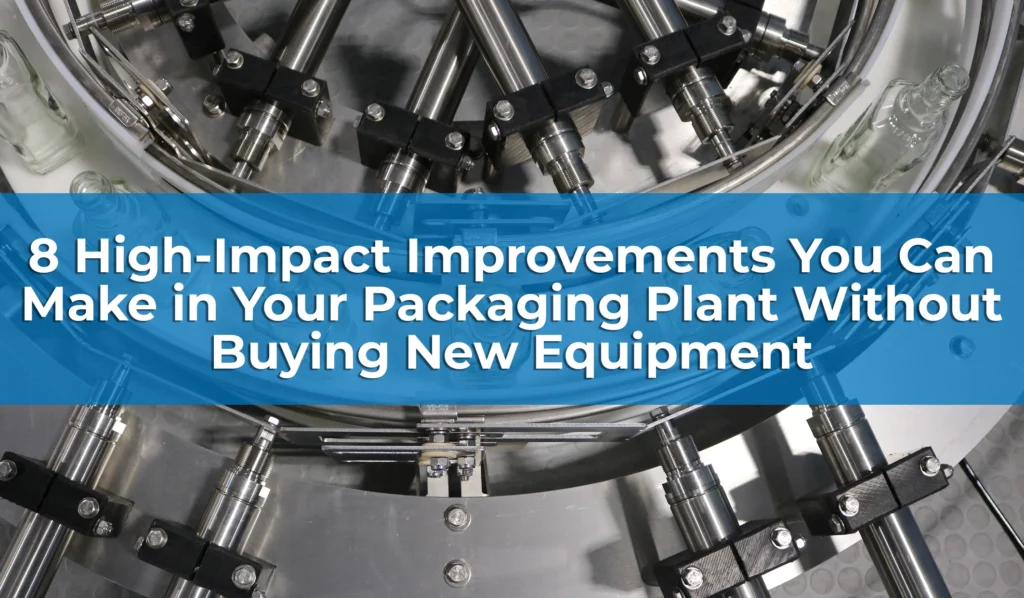
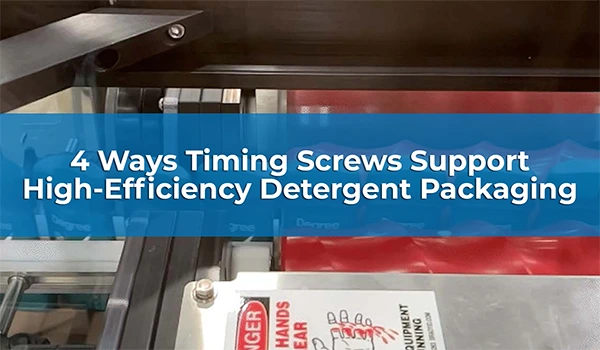
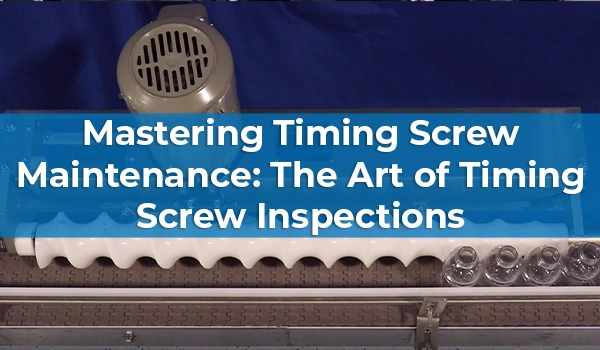
Timing screws (feed screws) often operate outside their ideal conditions as line speeds increase or as container geometries evolve.
A screw audit can identify:
- Opportunities to increase indexing speed
- Misalignments causing jams or fallen containers
- Conditions where redesigning screw geometry improves consistency
Why it matters:
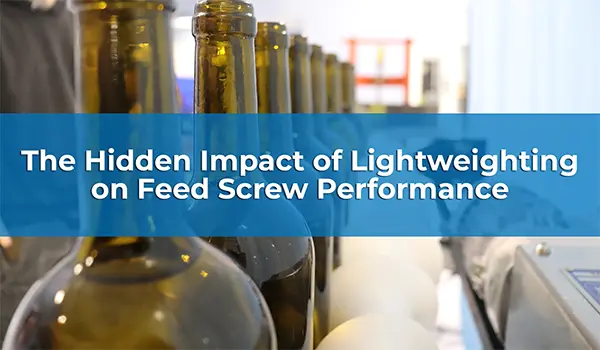
Timing screws are built for specific container sizes. When bottles change—due to lightweighting or shape updates—performance drops quickly. A redesigned screw can offer the output boost of a new machine at a fraction of the cost.
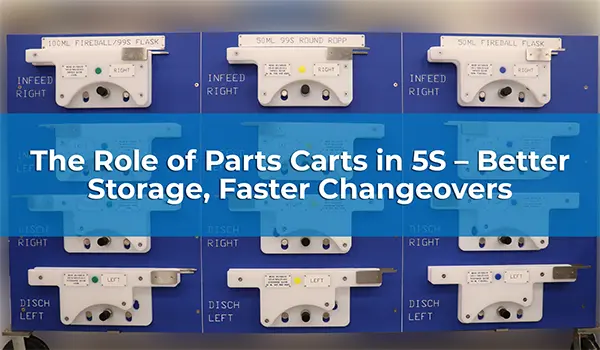
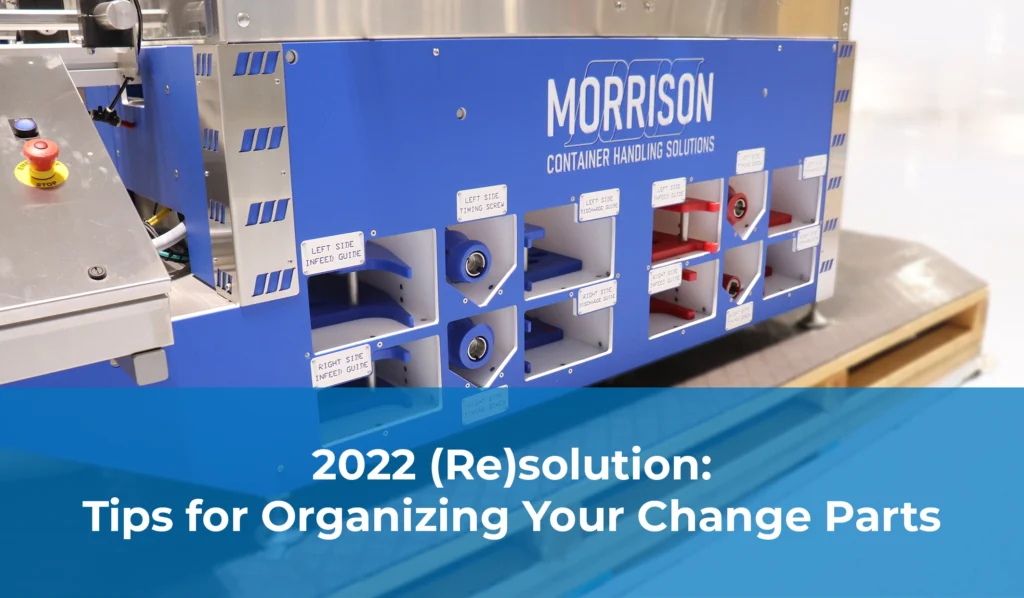
6. Invest in Change Part Organization and Storage for 5S Improvement for Packaging Lines
“How should I store change parts to improve changeover speed and prevent damage?”
Many plants underestimate the impact of proper change part storage. Scattered, unlabeled, or damaged parts lead to slow changeovers, incorrect setups, and unnecessary rework.
High-value storage improvements include:
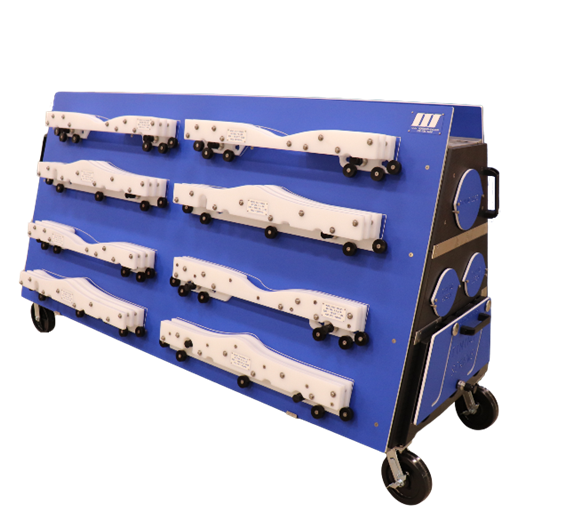
- Dedicated shadow boards or modular racks for each SKU
- Clearly labeled storage locations for every part
- Protective shelving or bins to prevent plastic wear
- Mobile carts that bring the correct parts straight to the line
Why it matters:
A well-organized storage system:
- Cuts changeover time
- Reduces part loss
- Helps operators select the right part the first time
- Extends the lifespan of screws, guides, rails, starwheels, and pockets
Better storage directly reduces downtime and operator strain—key search topics for continuous improvement teams.
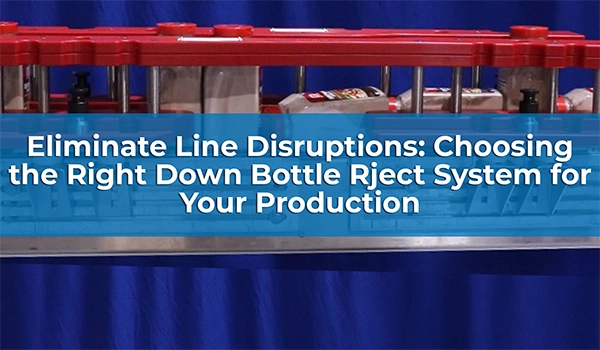
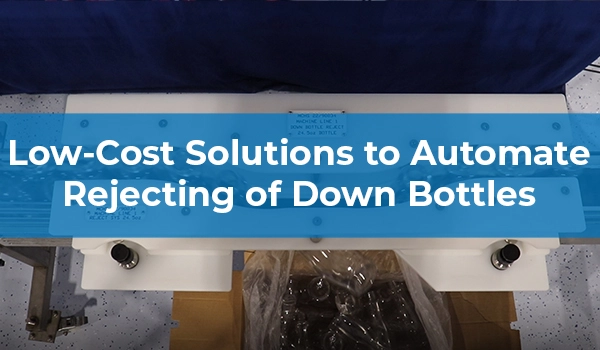
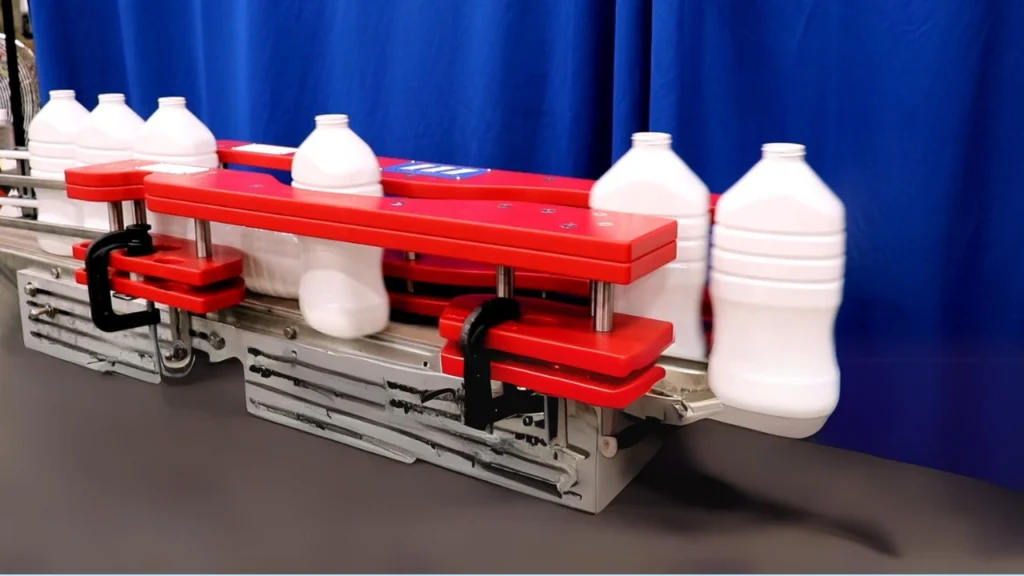
7. Reduce Micro-Stops With Down Bottle Reject Systems
“How do I prevent down bottles from causing frequent line stops?”
Down bottles are one of the most common causes of micro-stops. A single fallen container can create jams, require operator intervention, or cause upstream backups.
A down bottle reject system identifies unstable or fallen containers and removes them from the conveyor before they create larger issues.
Key advantages:
- Fewer jams and unplanned line stoppages
- More consistent product flow
- Better downstream equipment performance
- Reduced operator intervention and improved safety
Why it matters:
For lines running lightweighted, unstable, or uniquely shaped containers, down bottle rejection is one of the highest-ROI upgrades available.
8. Enhance Line Visibility with Sensors and Data Add-Ons
“What sensors should I add to monitor packaging line performance?”
You don’t need a full Industry 4.0 implementation to gain meaningful operational insights.
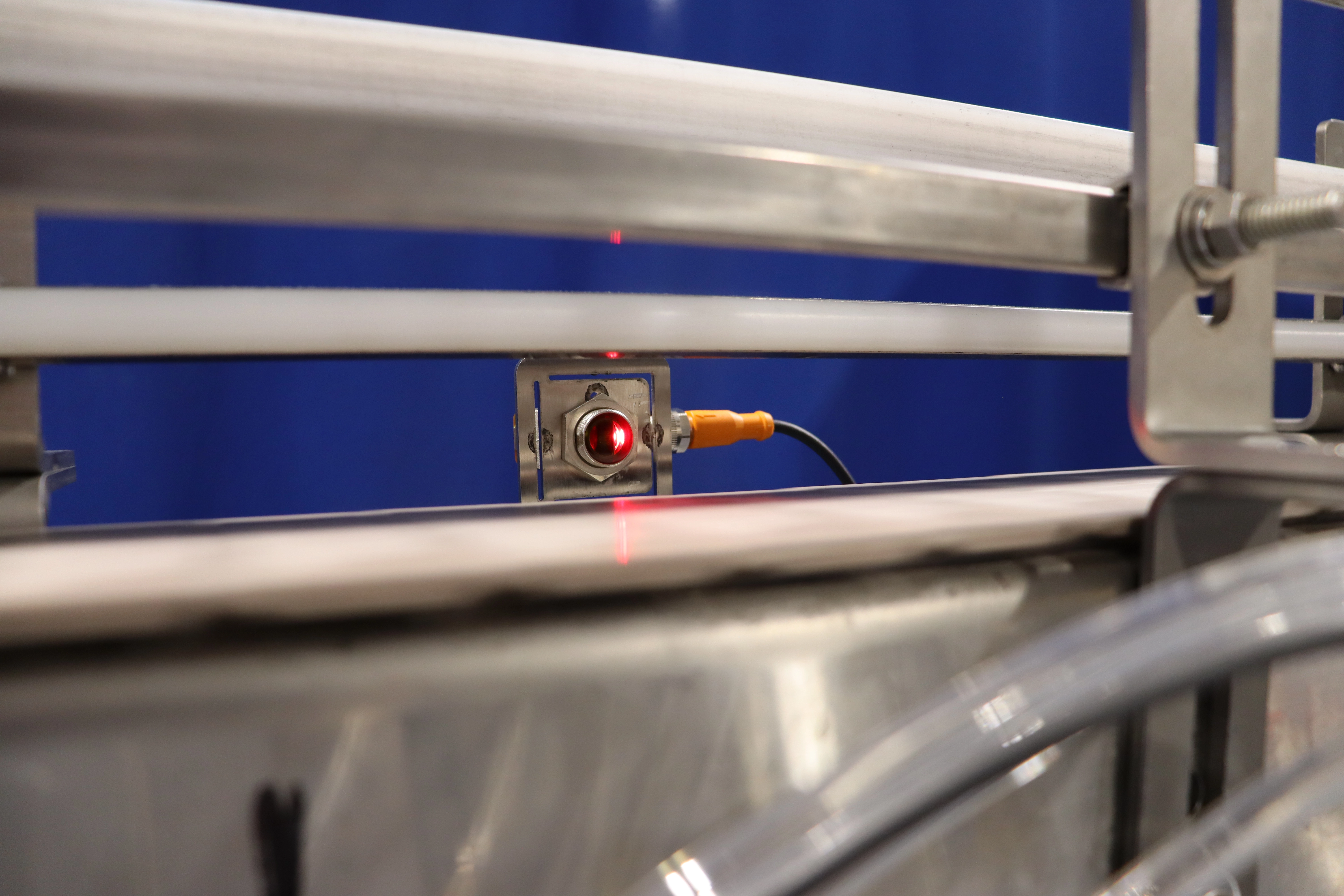
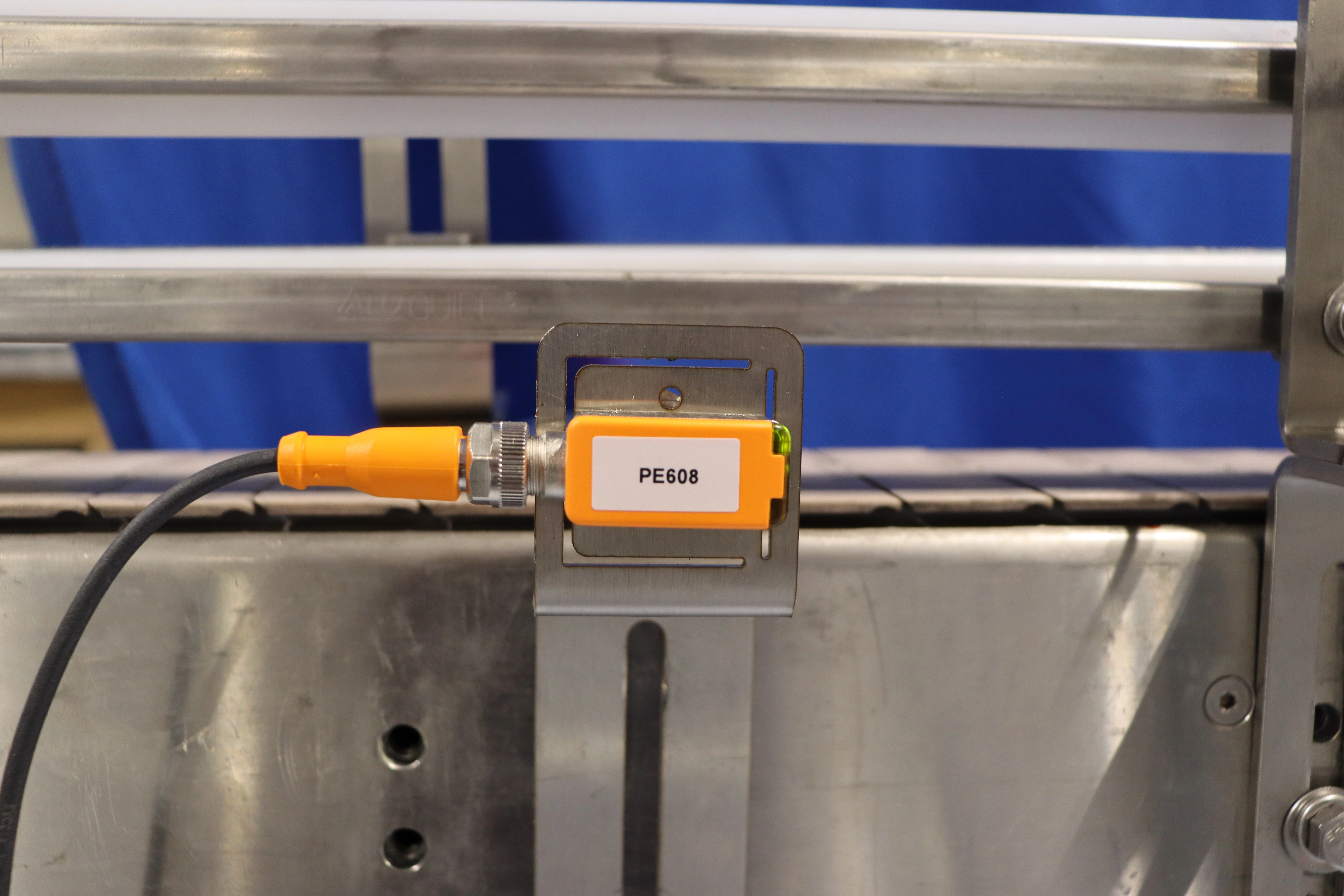
Useful add-ons include:
- Jam detection sensors
- No-bottle/no-fill or fill-level sensors
- Throughput counters and production tracking devices
Why it matters:
Greater visibility allows operators to address issues before downtime occurs and helps managers make data-driven decisions about container handling performance.
Final Thoughts: Big Gains Don’t Require Big Capital
Packaging plants don’t need massive budgets or new machinery to improve throughput, speed up changeovers, or stabilize production. Incremental upgrades—rails, screws, guides, storage systems, sensors, and modular automation—deliver compounding benefits across the entire line.
If your team wants help identifying which improvements will deliver the fastest return, Morrison Container Handling Solutions can provide a targeted line assessment and engineer custom solutions that fit seamlessly into your existing equipment.
Ready to boost your line’s performance—without buying new machines?
Let’s talk about where small upgrades can make the biggest impact.