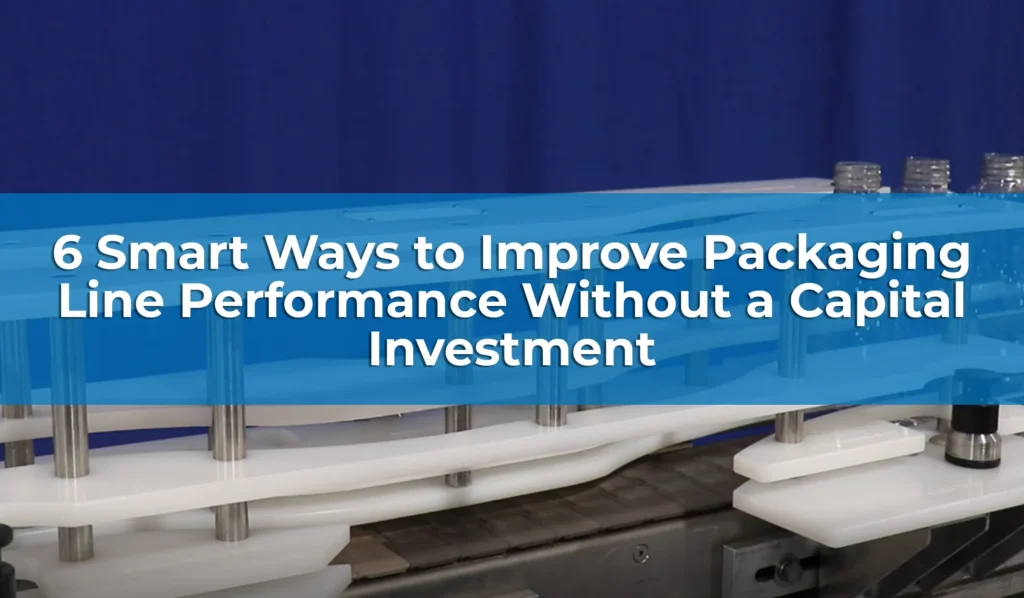
High-Impact Improvements You Can Make in Your Packaging Plant Without Buying New Equipment
When production goals increase but capital budgets stay tight, packaging teams are often asked an impossible question: How do we do more with what we already have?
The good news is that meaningful improvements don’t always require new machines. In fact, some of the most impactful gains in efficiency, uptime, and quality come from optimizing the equipment and processes already on your line.
Here are several high-impact improvements you can make in your packaging plant — without buying new equipment.
1. Reduce Downed Bottle to Recover Lost Throughput
Downed bottles are one of the most common and costly sources of inefficiency in packaging lines. Every tipped, jammed, or misaligned container slows production and increases cleanup, labor, and waste.
Downed containers are most often seen out of unscramblers and ahead of fillers. If one downed bottle enters the filler, it’s not just wasted product that becomes a concern. When product doesn’t make it into a bottle, conveyors can become sticky, components clogged, and the downtime to clean can impact not just hours but shifts.
Simple fixes can reduce these concerns.
High-impact improvements recommended:
- Evaluating transfer points where containers are most likely to fall
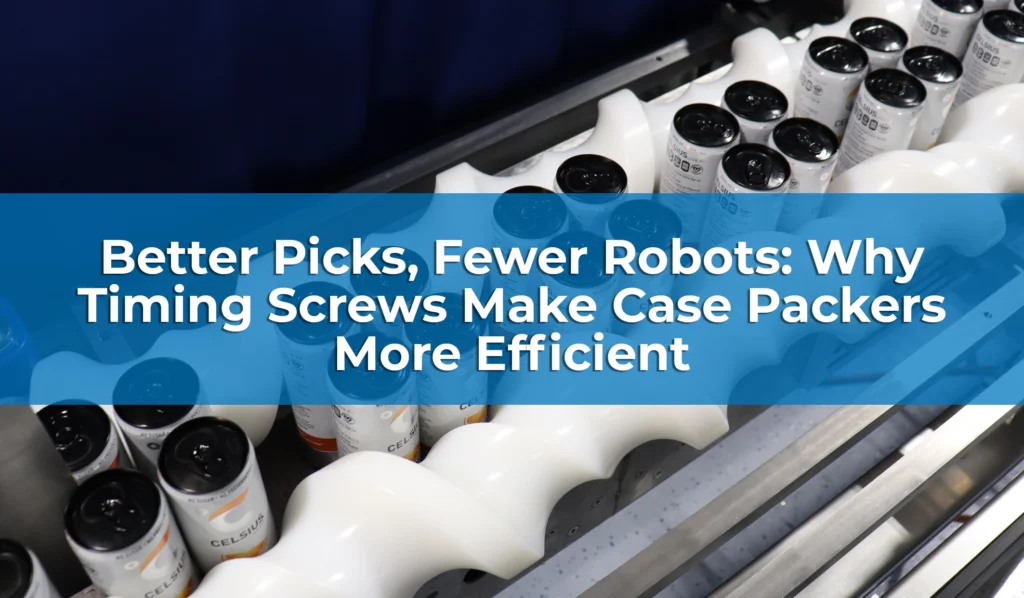
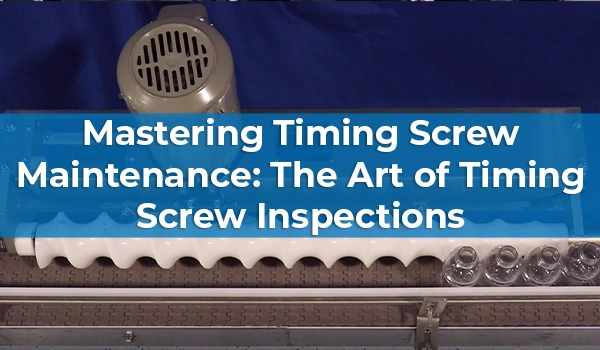
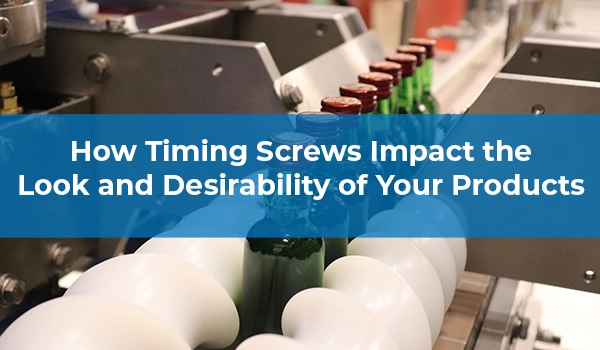
- Adjusting guide rails, timing screws, and infeed spacing
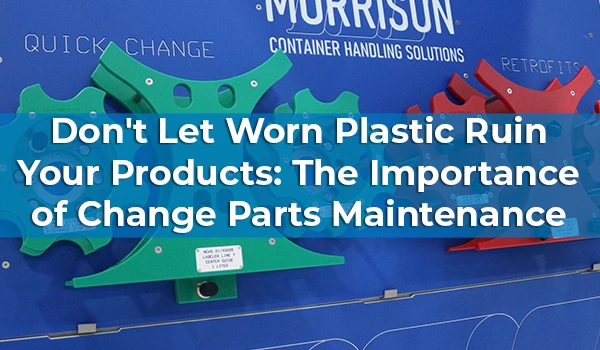
- Replacing worn or mismatched change parts that no longer properly support lightweight containers
- Adding better container control through existing rails, dead plates, or star wheels
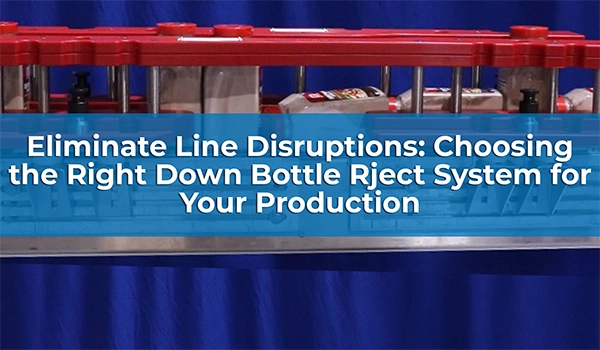
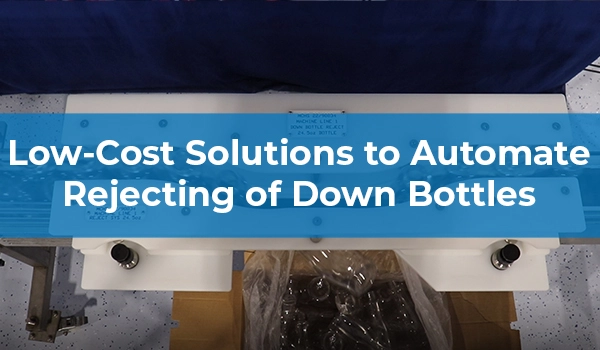
- Retrofitting mechanical down bottle reject guides to automatically kick out containers before they impact production
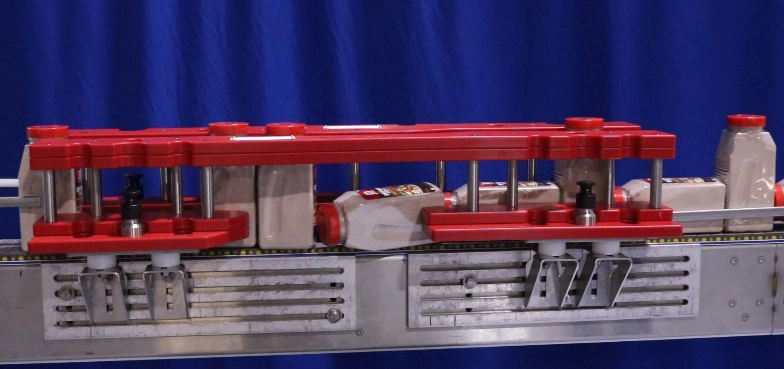
Even small tweaks to container handling at critical points can significantly reduce reject rates, stabilize line flow, and increase overall equipment effectiveness (OEE).
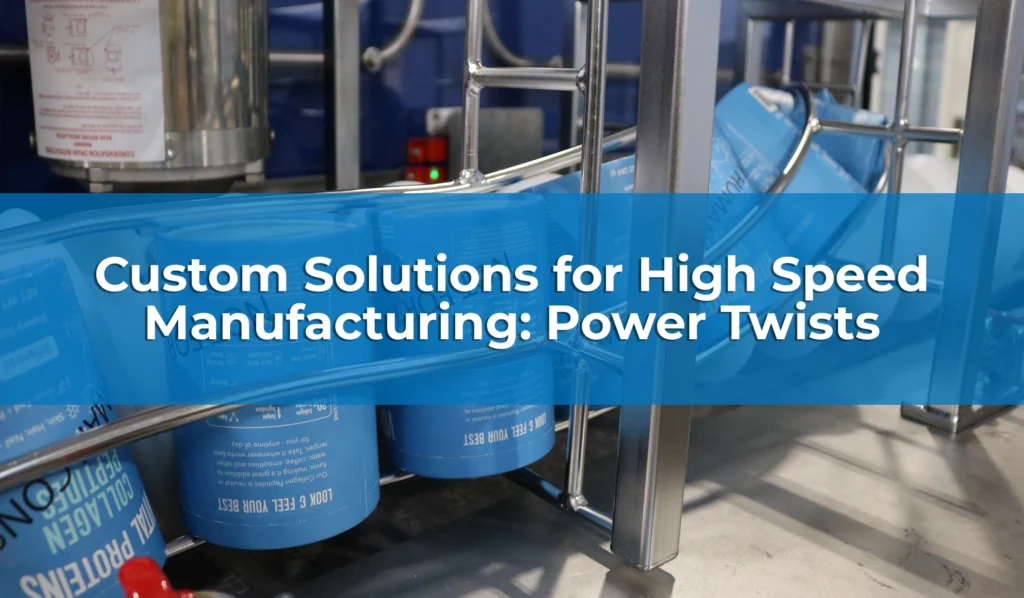
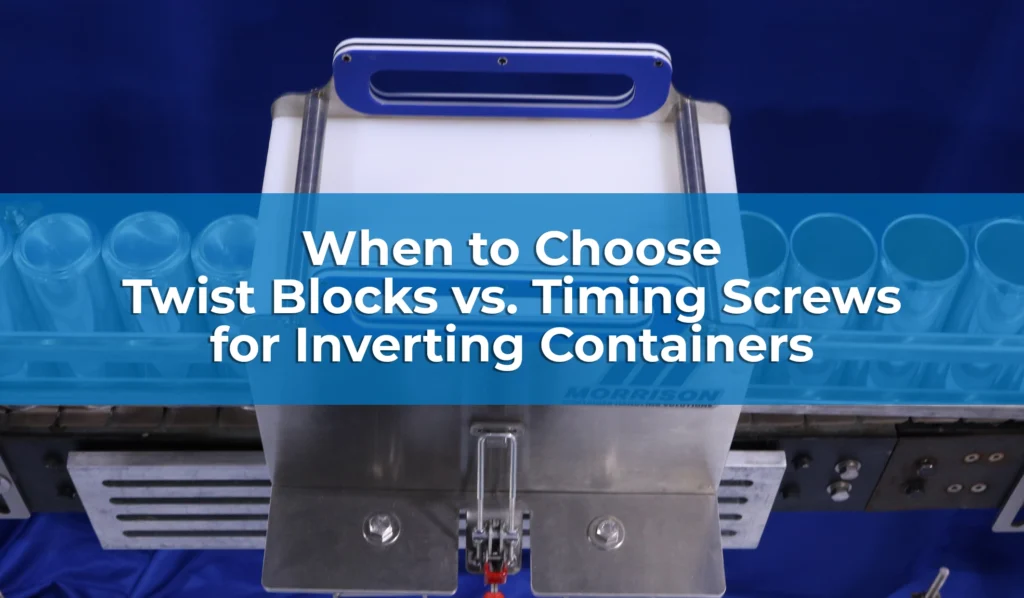
2. Use Twist Blocks to Automatically Invert Containers
If your operation manually flips containers or relies on inconsistent methods to invert them, you’re leaving efficiency on the table.
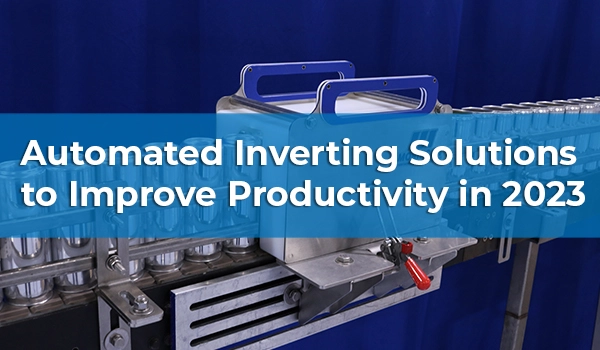
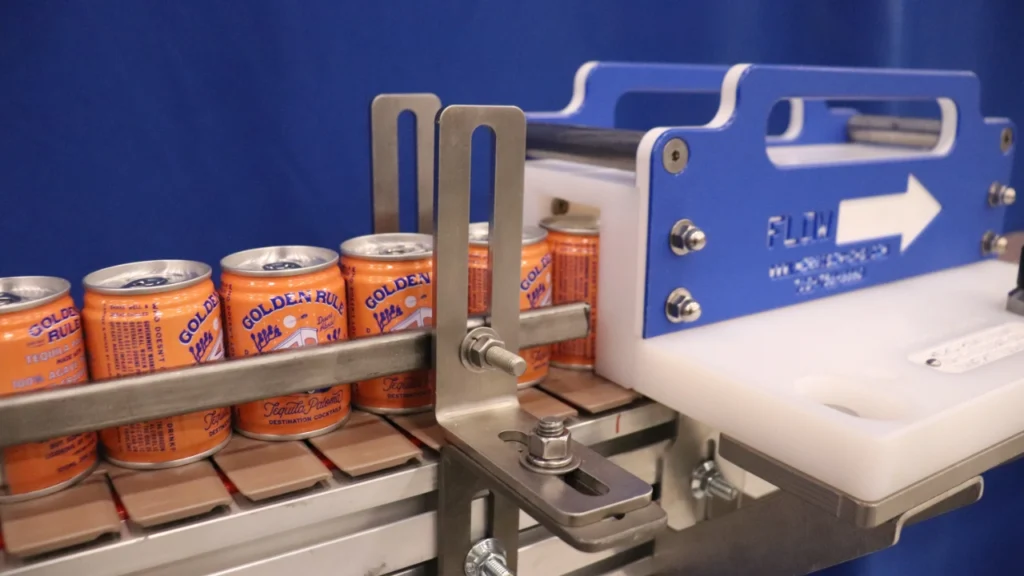
Twist blocks offer a simple, mechanical way to automatically invert containers within an existing conveyor system. They:
- Eliminate manual handling
- Improve consistency in container orientation
- Reduce ergonomic risks for operators
- Support higher line speeds with less intervention
Because twist blocks can often be retrofitted into existing lines, they provide a powerful improvement without requiring a full equipment replacement.
3. Prioritize Spare Parts and Proactive Equipment Maintenance
Many packaging issues aren’t caused by poor design, they’re caused by worn components that were never replaced.
A proactive spare parts strategy can dramatically improve uptime and line performance.
Key actions to consider:
- Identify high-wear components such as timing screws, belts, rails, bearings, and change parts
- Keep critical spares on hand to avoid extended downtime
- Replace parts before failure instead of reacting after breakdowns
- Audit current equipment to ensure parts still match container dimensions, especially after lightweighting changes
Maintaining your existing equipment at peak condition is often one of the fastest ways to improve reliability and throughput.
4. Optimize Changeover Procedures to Reduce Downtime
Lengthy changeovers don’t just slow production — they disrupt schedules and increase operator frustration.
Without buying new equipment, you can:
- Standardize changeover steps across shifts
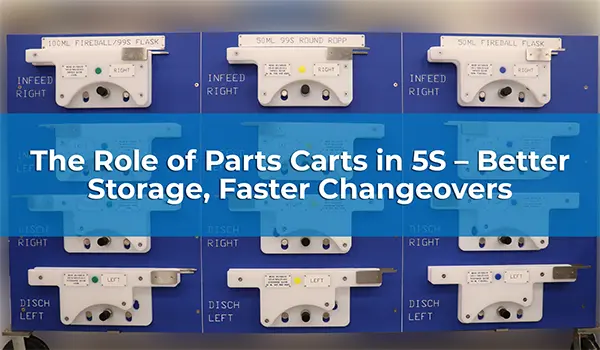
- Label and organize change parts clearly
- Remove unnecessary adjustments
- Ensure rails, guides, and screws are properly set for each container size
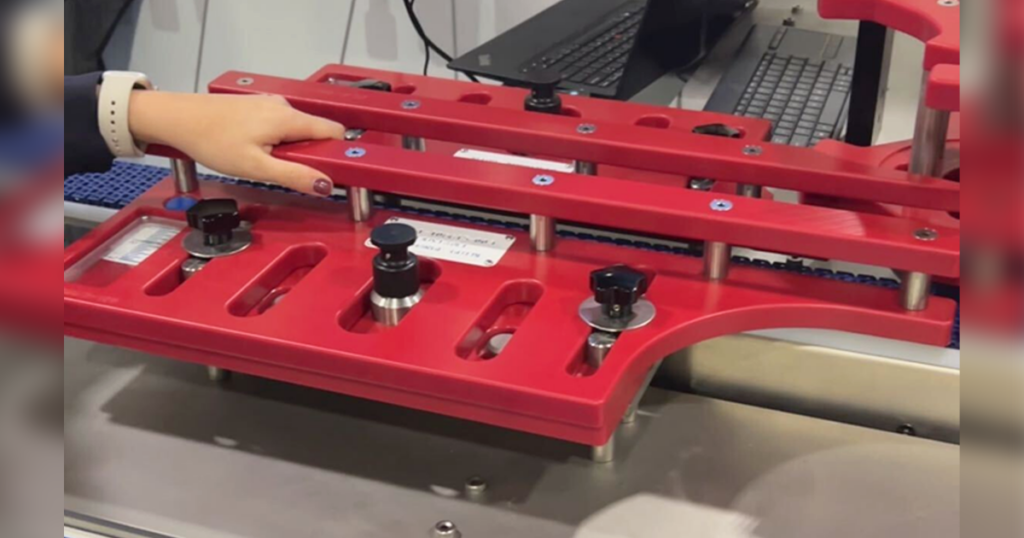
Reducing changeover time by even a few minutes per run adds up quickly, especially in high-mix packaging environments.
5. Improve Container Control at Transfers and Merges
Unstable transfers between conveyors, combiners, or dividers are another hidden source of inefficiency.
High-impact improvements may include:
- Fine-tuning conveyor speeds to reduce sudden acceleration or deceleration
- Adjusting lane guides and dead plates to minimize container tipping
- Replacing worn transfer components that no longer provide smooth handoffs
Better container control reduces jams, improves safety, and helps downstream equipment run more consistently.
6. Revisit Operator Training and Line Best Practices
Sometimes the biggest opportunity isn’t mechanical — it’s procedural.
Ensure operators understand:
- Proper adjustment techniques
- Early signs of wear or misalignment
- Correct container handling during startups and restarts
Creating consensus around these key areas can prevent small issues from becoming major downtime events. Empowered operators are one of the most valuable assets on any packaging line.
Small Changes, Big Results
You don’t need a new machine to make meaningful improvements in your packaging plant. By reducing downed containers and bottles, automating container inversion with twist blocks, maintaining critical spare parts, and optimizing existing processes, you can unlock performance gains that directly impact productivity, safety, and profitability.
Looking for opportunities to improve your current line?
Start by evaluating where containers lose control, where downtime occurs most often, and where simple retrofits or maintenance upgrades could make the biggest difference.